

Cystatin C: The Kidney Test That Does Not Get Confused by Muscle
Cystatin C measures kidney function independently of muscle mass — making it essential for muscular men on TRT. Modern Men's Clinic, South Carolina.
Cystatin C: The Kidney Test That Does Not Get Confused by Muscle
Why this advanced marker is becoming the standard for men on testosterone replacement therapy
For most of the history of clinical laboratory medicine, creatinine has been the default marker for kidney function. It is inexpensive, widely available, and reasonably reliable — in the general population. But for men who carry significant muscle mass, or who are building muscle on testosterone replacement therapy, creatinine has a well-recognized blind spot. It rises with muscle growth, creating an interpretive ambiguity that can obscure true kidney function.
Cystatin C is an alternative kidney filtration marker that does not share this limitation. It is produced at a constant rate by virtually all nucleated cells in the body — independent of muscle mass — and is cleared by the kidneys in a manner that closely parallels creatinine. For muscular men and men on TRT, cystatin C provides a significantly more accurate picture of kidney filtration.
What Is Cystatin C?
Cystatin C is a small protein produced by virtually all cells at a constant, predictable rate. Like creatinine, it is freely filtered by the glomeruli (the kidney's filtering units), and its serum level reflects how efficiently the kidneys are clearing it. Unlike creatinine, its production rate is not influenced by muscle mass, dietary protein intake, or exercise — which means changes in cystatin C more reliably reflect changes in actual kidney function rather than changes in body composition.
Cystatin C is used to calculate cystatin C-based eGFR, which has been shown in research to be a more accurate measure of kidney filtration in certain populations — including muscular men.
Normal Reference Ranges
| Category | Range |
|---|---|
| Normal cystatin C (adult) | 0.52–1.00 mg/L |
| Mildly elevated | 1.00–1.30 mg/L |
| Elevated (kidney function concern) | > 1.30 mg/L |
What Does It Mean for the Body?
When cystatin C is elevated in a man whose creatinine is also elevated, the clinical concern for genuine kidney impairment is stronger. When cystatin C is normal but creatinine is elevated, the most likely explanation is increased creatinine production from higher muscle mass — a reassuring finding in a man who has been actively building lean tissue on TRT.
This distinction — cystatin C as a "tiebreaker" for ambiguous creatinine results — is one of its most clinically valuable applications.
What Does It Mean on TRT or Hormone Therapy?
As discussed in Article 12, TRT-related muscle growth can raise creatinine without any kidney impairment. Cystatin C allows providers to confidently distinguish this scenario from true renal decline. For men on long-term TRT, including cystatin C in periodic monitoring adds an important layer of confidence to kidney safety surveillance.
What Does It Mean for Weight Loss Patients?
Body composition shifts during significant weight loss — including loss of lean mass — can also affect creatinine. Cystatin C remains an independent, reliable marker during these transitions, providing a consistent reference point for kidney function regardless of what is happening to body composition.
Why We Check It — and How Often
| Timing | Reason |
|---|---|
| Baseline or when creatinine is ambiguous | Distinguish muscle mass effect from kidney impairment |
| Annually on long-term TRT | Comprehensive kidney health monitoring |
| With significant body composition changes | Reliable reference during transitions |
What Can Affect This Lab Value?
- Thyroid dysfunction: Hypothyroidism raises cystatin C; hyperthyroidism may lower it
- Corticosteroid use: High-dose corticosteroids can elevate cystatin C
- Inflammatory states: Systemic inflammation may transiently affect cystatin C
- Age: Cystatin C rises modestly with age, independent of kidney disease
- Body fat (not muscle mass): Some research suggests adipose tissue produces small amounts of cystatin C, though the effect is minor
Medical Disclaimer: The information in this article is for educational purposes only and is not intended as medical advice, diagnosis, or treatment. Lab reference ranges vary by laboratory, age, and individual health status. Always consult a licensed medical professional before making any changes to your health care regimen.
If you'd like to better understand what your lab results mean for your overall health, the team at Modern Men's Clinic in Powdersville, SC is here to help. We offer comprehensive hormone and metabolic lab panels as part of our TRT, medical weight loss, and hormone management programs — with personalized consultations led by John Garren, NP-C. Serving Greenville, Anderson, Easley, Pickens, and all of Upstate South Carolina, with telehealth available statewide. Call us at 864-689-3194 or visit modernmensclinics.com.
LH and FSH: The Pituitary Hormones That Set the Whole Hormone System in Motion
LH and FSH control testosterone and sperm production. Learn why these baseline labs matter — especially for fertility — at Modern Men's Clinic, Upstate SC.
LH and FSH: The Pituitary Hormones That Set the Whole Hormone System in Motion
Why measuring these baseline markers before starting TRT is one of the most important decisions in men's hormone care
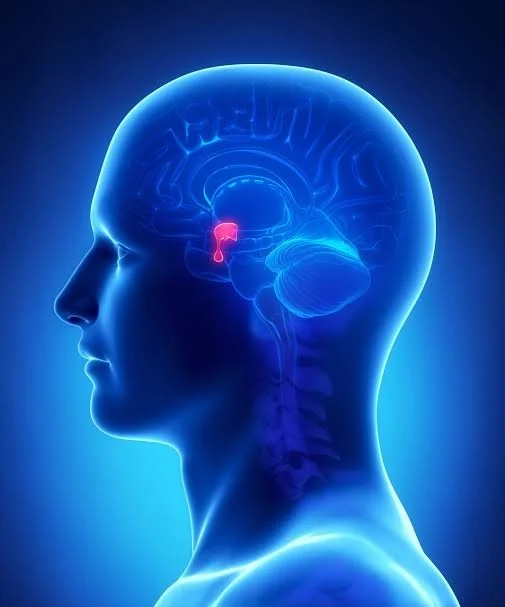
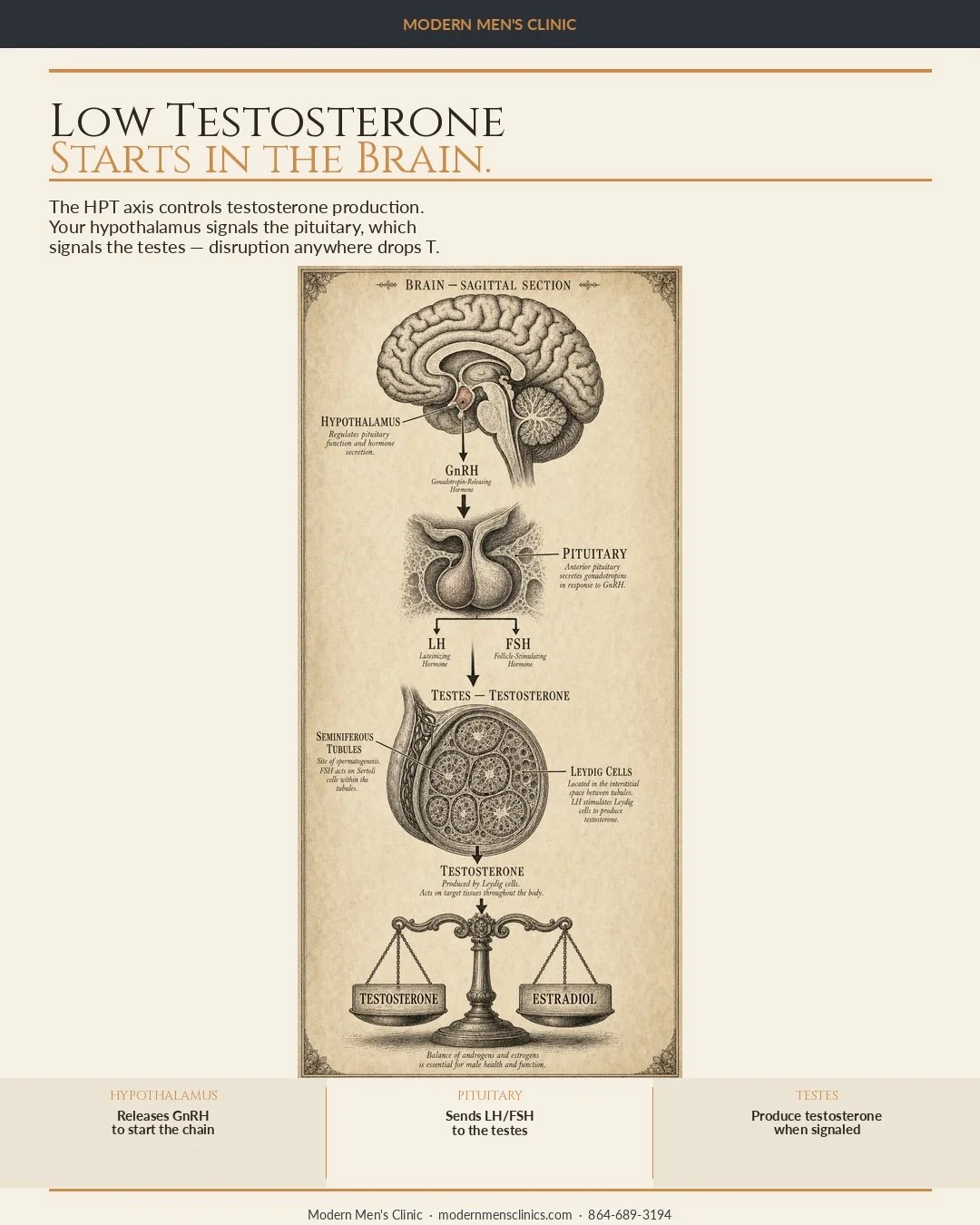
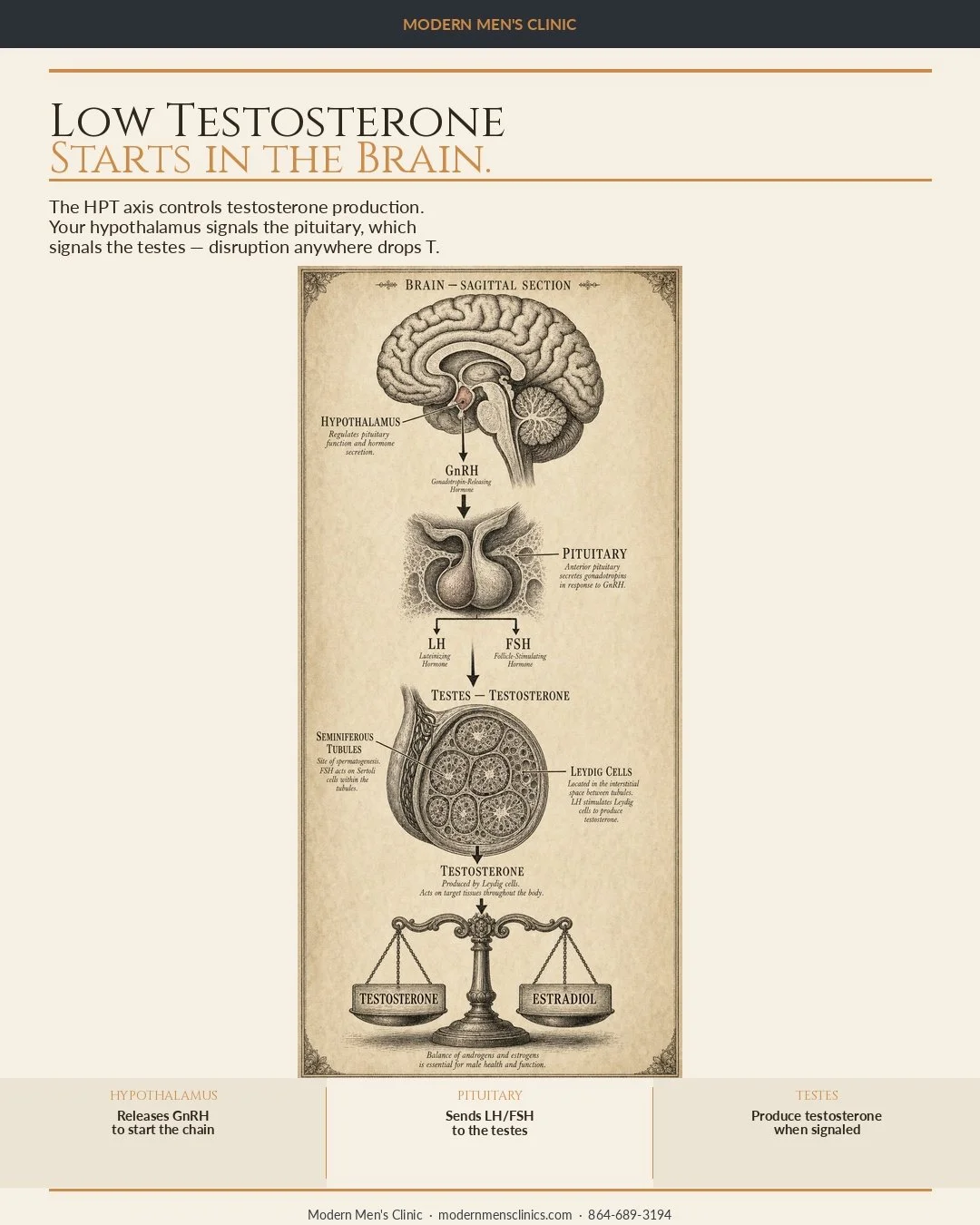
Most men who seek evaluation for low testosterone think of it as a testosterone problem. And in the most direct sense, it is — the testosterone level is low. But testosterone production does not begin in the testes. It begins with two pituitary hormones — luteinizing hormone (LH) and follicle stimulating hormone (FSH) — that act as the upstream signals telling the testes what to do. Measuring LH and FSH before starting any hormone therapy is not a technicality; it is a clinically essential piece of diagnostic information that shapes the entire approach to treatment.
Once exogenous testosterone is introduced, LH and FSH are suppressed to near zero — a normal and expected consequence of TRT. After that point, baseline information about what those values were before therapy is gone. This is why the conversation about LH and FSH needs to happen first.
What Are LH and FSH?
Luteinizing hormone (LH) is produced by the pituitary gland and travels to the testes, where it stimulates Leydig cells to produce testosterone. Follicle stimulating hormone (FSH) also comes from the pituitary and acts on Sertoli cells in the testes to support sperm production (spermatogenesis). Together, LH and FSH are called gonadotropins — the pituitary's primary messengers to the gonads.
The relationship between LH/FSH and testosterone is a negative feedback loop. As testosterone rises, the pituitary reduces LH and FSH output. As testosterone falls, LH and FSH rise to stimulate more production. This loop operates continuously in men who are not on exogenous hormone therapy.
Normal Reference Ranges
HormoneNormal Male RangeLH (Luteinizing Hormone)1.7–8.6 IU/LFSH (Follicle Stimulating Hormone)1.5–12.4 IU/LLH/FSH on exogenous TRTNear zero (expected suppression)
What Does It Mean for the Body?
The pattern of LH and FSH relative to testosterone tells the story of where in the hormone axis a problem originates.
Low testosterone with low LH/FSH (secondary hypogonadism) suggests the problem is at the pituitary or hypothalamic level — the gland is not sending the signal to make testosterone. This is the pattern seen in men with pituitary tumors, elevated prolactin (see Article 9), certain medications, or head injuries. It is also the pattern seen on exogenous TRT.
Low testosterone with high LH/FSH (primary hypogonadism) suggests the problem is at the testicular level — the signal is being sent, but the testes are not responding. This pattern may indicate genetic or structural testicular issues.
Normal testosterone with normal LH/FSH reflects an intact axis — the system is working as designed.
What Does It Mean on TRT or Hormone Therapy?
When a man begins testosterone replacement therapy, the exogenous testosterone signals the hypothalamic-pituitary axis to reduce its output. LH and FSH are suppressed — often to effectively undetectable levels. This suppression also means the testes receive less stimulation and typically reduce their own testosterone production and sperm output. Over time on TRT without additional intervention, testicular size may gradually decrease.
For men who want to preserve testicular size and function while on TRT, human chorionic gonadotropin (HCG) is sometimes added. HCG mimics LH signaling and maintains testicular stimulation despite pituitary suppression. For men interested in fertility preservation or who want to stimulate endogenous testosterone production without exogenous T, clomiphene citrate — which stimulates the pituitary to release more LH and FSH — is another option that providers consider on an individualized basis.
What Does It Mean for Weight Loss Patients?
Significant obesity can blunt LH pulsatility through multiple mechanisms. Baseline LH and FSH in the context of a comprehensive metabolic evaluation help clarify whether hypothalamic-pituitary signaling is intact as part of the broader hormonal picture.
Why We Check It — and How Often
TimingReasonBaseline (before any TRT)Establish diagnostic pattern; irreplaceable data pointBefore TRT in men planning familiesFertility counseling and baselineNot routinely on TRTSuppressed values provide no additional informationWhen investigating recovery or fertility post-TRTAssess axis recovery
What Can Affect This Lab Value?
Exogenous testosterone (TRT, anabolic steroids): Suppresses LH and FSH to near zero
Elevated prolactin: Suppresses GnRH, reducing LH and FSH (see Article 9)
Opioid medications: Opioids potently suppress LH pulsatility
Extreme stress: Cortisol elevation can suppress GnRH and therefore LH/FSH
Obesity: Can reduce LH pulsatility through adipokine and estrogen effects
Pituitary pathology: Tumors or structural issues affecting the pituitary gland
Clomiphene: Raises LH and FSH by blocking estrogen's negative feedback at the pituitary
Medical Disclaimer: The information in this article is for educational purposes only and is not intended as medical advice, diagnosis, or treatment. Lab reference ranges vary by laboratory, age, and individual health status. Always consult a licensed medical professional before making any changes to your health care regimen.
If you'd like to better understand what your lab results mean for your overall health, the team at Modern Men's Clinic in Powdersville, SC is here to help. We offer comprehensive hormone and metabolic lab panels as part of our TRT, medical weight loss, and hormone management programs — with personalized consultations led by John Garren, NP-C. Serving Greenville, Anderson, Easley, Pickens, and all of Upstate South Carolina, with telehealth available statewide. Call us at 864-689-3194 or visit modernmensclinics.com.
Modern Men's Clinic | Powdersville/Piedmont, SC | 864-689-3194 | modernmensclinics.com
Provider: John Garren, NP-C
Understanding Your Lab Results: The Complete Guide to Hormone and Metabolic Labs for Men in Upstate SC
A complete plain-English guide to the hormone, metabolic, and safety labs used in TRT and hormone management programs — including what each test measures, normal ranges, what changes on therapy, and why monitoring matters.
By John Garren, NP-C | Modern Men's Clinic | Powdersville/Piedmont, SC
You got your labs back. Maybe your doctor handed you a printout with dozens of numbers, reference ranges, and abbreviations — and then had three minutes to explain them before the next patient. Or maybe you're starting a hormone program and wondering what all these tests actually measure. Either way, you left with more questions than answers.
That's exactly what this guide is for.
At Modern Men's Clinic, we believe lab work is only useful when you understand what it means. Numbers without context are just noise. When you know what each marker measures, why it shifts, and what it means for how you feel, you become an active participant in your own care — not just a bystander watching your provider click through a screen. This guide walks through every key lab we use for hormone management, TRT monitoring, and metabolic health, in plain English, for men across Greenville, Anderson, Easley, Pickens, and all of Upstate South Carolina.
Why Lab Work Is the Foundation of Good Hormone Care
Symptoms tell us something is off. Labs tell us what and by how much.
A man can have a testosterone level of 280 ng/dL and feel completely fine. Another man with 380 ng/dL may feel exhausted, foggy, and have zero libido. Why? Because hormones don't work in isolation. SHBG, estradiol, thyroid function, metabolic health, sleep quality — all of these interact. A single number rarely tells the full story.
That's why we don't treat labs, we treat patients. But good labs give us a map. They let us track progress, catch side effects before they become problems, and confirm that what we're doing is working. Think of labs as the dashboard of your car: you can drive without looking at the gauges, but you're going to miss the warning signs until something breaks down. In hormone care, the dashboard is how we keep the engine running well for the long haul.
Good monitoring is also what separates responsible hormone care from guesswork. Every adjustment we make — in dose, frequency, or supporting therapy — is guided by data, not assumptions.
The Testosterone Labs: What They Actually Tell Us
Total Testosterone
What it is: Total testosterone measures the entire amount of testosterone circulating in your bloodstream — both the portion bound to proteins and the smaller portion floating free and ready to act. It's the standard starting point for evaluating male hormone status.
Think of total testosterone like the water in a reservoir. It tells you how much is stored, but not necessarily how much is flowing to the fields that need it.
Normal reference ranges:
PopulationRangeGeneral adult men300–1,000 ng/dLMen on TRT (therapeutic target)600–1,000 ng/dLMorning draw (optimal timing)Peak levels
What it means for your body: Levels below 300 ng/dL are generally considered clinically low and can be associated with fatigue, reduced muscle mass, increased body fat, low libido, poor sleep, and mood changes. Levels above the reference range without medical supervision may carry cardiovascular and hematologic risks.
What it means on TRT: On testosterone replacement therapy, total testosterone is the primary metric for dose calibration. The goal is typically to bring levels into the mid-to-upper end of the normal range — enough to resolve symptoms without pushing into supraphysiologic territory.
What it means for weight loss patients: Testosterone and body composition are closely linked. Excess body fat — especially visceral fat — promotes the conversion of testosterone to estrogen through an enzyme called aromatase. Medical weight loss programs may support improvements in testosterone over time, though this varies by individual.
Why we check it: It's the baseline measure of testosterone status. Without it, we're navigating blind.
How often it's typically monitored: Baseline before starting therapy; 6 weeks after initiation or any dose change; then every 3–6 months once stable.
What can affect this value: Time of day (levels peak in the morning — always draw before 10 AM), sleep quality, stress, obesity, alcohol intake, certain medications, and acute illness. A single low value on a poor night's sleep is not diagnostic on its own.
Free Testosterone
What it is: Only about 1.5–3% of your total testosterone is "free" — meaning unbound to proteins and immediately available to enter cells and do its work. Free testosterone is what's actually talking to your muscles, brain, and libido.
Using the reservoir analogy again: free testosterone is the water that's actively flowing through the pipes to the fields. The reservoir can be full, but if the pipes are blocked, nothing gets irrigated.
Normal reference ranges:
MeasurementRangeFree testosterone (men)~46–224 pg/mL (varies by lab method)Calculated free TCan be estimated from total T + SHBG
What it means for your body: A man can have a "normal" total testosterone of 550 ng/dL but still experience symptoms of low T if his SHBG is elevated, binding up most of that testosterone and leaving very little free. Free testosterone often explains the gap between numbers and symptoms.
What it means on TRT: Free testosterone rises on TRT, which is part of why symptoms improve. Monitoring free T alongside total T gives a more complete picture — particularly in men with high or shifting SHBG levels.
What it means for weight loss patients: High insulin levels — common in metabolic syndrome — tend to lower SHBG, which paradoxically can raise free testosterone. But the overall metabolic environment still matters for hormonal health.
Why we check it: Because total testosterone alone can be misleading. Free T is the actionable fraction.
How often it's typically monitored: Same schedule as total testosterone — baseline, 6 weeks post-initiation, then quarterly.
What can affect this value: All the same factors as total testosterone, plus SHBG levels, body fat percentage, insulin levels, and the lab method used (direct measurement vs. calculated).
SHBG (Sex Hormone Binding Globulin)
What it is: Sex Hormone Binding Globulin is a protein produced primarily by the liver that binds tightly to testosterone (and to a lesser extent, estradiol), making it inactive. The higher your SHBG, the more testosterone is "locked up" and unavailable to your cells.
Think of SHBG as a parking garage for testosterone. The cars (testosterone) are technically in the city, but they're not going anywhere.
Normal reference ranges:
PopulationRangeAdult men~10–57 nmol/LNoteHigher SHBG = less free T available
What it means for your body: SHBG tends to rise with age, which is one reason older men often have lower effective testosterone even when total levels look acceptable. High SHBG can be associated with hypothyroidism, liver disease, and certain genetic factors. Low SHBG is associated with obesity, high insulin levels, and androgen use.
What it means on TRT: SHBG interpretation is critical on therapy. If your SHBG is very high, you may need a higher total T target to achieve adequate free T levels. Some providers also adjust injection frequency (more frequent, smaller doses tend to keep SHBG lower).
What it means for weight loss patients: Excess body fat and insulin resistance lower SHBG. As metabolic health improves with weight loss, SHBG may rise — which means the ratio of free to total testosterone can shift even if total testosterone stays the same.
Why we check it: Without SHBG, you cannot accurately interpret free testosterone. It's the missing variable in the equation.
How often it's typically monitored: Baseline; 6 weeks post-initiation; then annually or when symptoms change.
What can affect this value: Age, liver function, thyroid status, insulin levels, body composition, androgen use, and certain medications (including thyroid hormone).
Estrogen in Men: More Important Than You Think
Estradiol (Standard)
What it is: Estradiol (E2) is the primary form of estrogen, and yes — men make it too. Testosterone is converted into estradiol by an enzyme called aromatase, which is found in fat tissue, muscle, liver, and the brain. Estradiol in men is essential for bone density, cardiovascular health, sexual function, and mood regulation. It is not simply a "female hormone."
Normal reference ranges:
PopulationRangeAdult men~7–42 pg/mL (standard immunoassay)Men on TRTShould remain within range; watch upper limit
What it means for your body: Too little estradiol can be associated with joint pain, low libido, poor mood, reduced bone density, and difficulty recovering from exercise. Too much can be associated with water retention, breast tissue sensitivity (gynecomastia), mood swings, and fatigue. Balance is the goal — not elimination.
What it means on TRT: Testosterone levels rise on TRT, and some of that testosterone converts to estradiol through aromatase. This is normal and expected. Problems arise when estradiol rises disproportionately — which can happen in men with higher body fat (more aromatase activity). If estradiol climbs too high on therapy, an aromatase inhibitor (AI) may be considered.
What it means for weight loss patients: Losing fat reduces aromatase activity, which can help normalize estradiol levels over time. This is one of the reasons body composition improvements can positively affect hormonal balance.
Why we check it: Estradiol management is one of the most important — and most frequently overlooked — aspects of TRT monitoring. Symptoms at both extremes can mimic low testosterone, which creates confusion without accurate lab data.
How often it's typically monitored: Baseline; 6 weeks post-initiation; then quarterly or when symptoms suggest imbalance.
What can affect this value: Body fat percentage, alcohol intake (increases aromatase), zinc deficiency, liver function, the specific lab assay used, and — importantly — the testing method (standard vs. high-sensitivity, see below).
High-Sensitivity Estradiol (LC/MS-MS)
What it is: This is the same hormone as standard estradiol, but measured with a more precise laboratory method called liquid chromatography–tandem mass spectrometry (LC/MS-MS). At the lower estradiol levels typical in men, the standard immunoassay test is known to be inaccurate — it can overestimate values significantly, leading to unnecessary interventions.
Normal reference ranges: Similar to standard estradiol (~7–42 pg/mL), but with greater precision at the lower end of the male range.
What it means for your body / on TRT: For men on TRT — especially those not taking aromatase inhibitors — high-sensitivity estradiol gives a more reliable picture of true estradiol levels. If your standard estradiol looks elevated but your symptoms suggest otherwise, the LC/MS-MS test may tell a different story.
Why we check it: The standard estradiol test was designed for women's hormone levels. For male patients, particularly on TRT, high-sensitivity LC/MS-MS is considered the more clinically accurate method.
How often it's typically monitored: As clinically indicated; often substituted for or run alongside standard estradiol when precise measurement matters.
Growth Hormone and IGF-1
IGF-1 (Insulin-like Growth Factor 1)
What it is: IGF-1 (Insulin-like Growth Factor 1) is produced primarily by the liver in response to growth hormone (GH) released by the pituitary gland. Because GH itself is released in unpredictable pulses throughout the day and night, IGF-1 is used as a more stable, reliable surrogate marker for overall growth hormone activity.
If GH is a series of short broadcasts, IGF-1 is the cumulative rating over 24 hours.
Normal reference ranges:
PopulationRangeAdult men (age-adjusted)~115–307 ng/mL (varies by age and lab)NoteRanges decline significantly with age
What it means for your body: IGF-1 promotes muscle protein synthesis, fat metabolism, tissue repair, and recovery. Low IGF-1 can be associated with reduced lean muscle, increased fat mass, poor sleep quality, and slower recovery from exercise or injury. These overlap considerably with low testosterone symptoms, which is why evaluation often includes both.
What it means on TRT: Testosterone and growth hormone axis work synergistically. TRT alone may modestly improve IGF-1, but if growth hormone signaling is significantly impaired, peptide therapies (such as sermorelin or ipamorelin/CJC-1295) may be considered to support the GH axis.
What it means for weight loss patients: IGF-1 is closely tied to body composition. Higher IGF-1 levels are generally associated with better preservation of lean mass during a caloric deficit — which is relevant for men pursuing medical weight loss.
Why we check it: IGF-1 is the best available non-invasive indicator of growth hormone status. It helps guide decisions around peptide therapy, monitors response to treatment, and helps distinguish GH axis insufficiency from other causes of fatigue and poor body composition.
How often it's typically monitored: Baseline; 3–6 months after initiating peptide therapy; then annually or as clinically indicated.
What can affect this value: Nutritional status (low calorie intake lowers IGF-1), sleep quality (GH is released during deep sleep), liver function, age, obesity, and stress.
Growth Hormone (GH)
What it is: Growth hormone is released in pulses by the pituitary gland — predominantly during the first few hours of deep, slow-wave sleep. It plays a central role in muscle building, fat metabolism, cellular repair, and immune function.
Normal reference ranges: A single random GH measurement is rarely clinically useful because it reflects only one point in the pulsatile cycle. Most pulses produce near-undetectable levels. GH is best evaluated through stimulation testing or — more practically in a clinical setting — through IGF-1 as a surrogate.
What it means for your body: GH supports muscle preservation and growth, promotes fat burning (especially visceral fat), aids in recovery from physical stress, and contributes to connective tissue health and sleep quality.
What it means on TRT: TRT and GH work synergistically. Some of the benefits attributed to testosterone therapy may be amplified when GH axis function is optimized. In men with low IGF-1, peptide-based GH secretagogues may help restore more youthful GH pulsatility without introducing exogenous GH.
Why we check it (or rather, why we usually don't as a standalone): Random serum GH is not a useful screening test in an outpatient hormone clinic. IGF-1 provides the stable, interpretable data point. GH itself is typically only evaluated via stimulation testing when clinical suspicion for GH deficiency is high.
How often it's typically monitored: Not routinely drawn; IGF-1 serves as the preferred surrogate.
Thyroid and Pituitary Labs
TSH (Thyroid Stimulating Hormone)
What it is: TSH is released by the pituitary gland and acts like a thermostat signal to the thyroid gland. When the pituitary senses that thyroid hormone levels are too low, it sends more TSH to push the thyroid to produce more. A high TSH suggests an underactive thyroid (hypothyroidism); a low TSH suggests an overactive thyroid or excessive thyroid hormone replacement.
Think of TSH as your pituitary's "request volume." The louder it shouts, the harder it thinks the thyroid needs to work.
Normal reference ranges:
ContextRangeStandard lab reference0.4–4.0 mIU/LFunctional/hormone optimization1.0–2.5 mIU/L (preferred by many providers)
What it means for your body: Thyroid function affects virtually every system in the body — metabolism, weight, mood, cardiovascular function, gut motility, skin, hair, and energy levels. Hypothyroidism can closely mimic low testosterone: fatigue, weight gain, low libido, depression, brain fog, and cold intolerance.
What it means on TRT: Untreated or suboptimal hypothyroidism can blunt the response to TRT. Additionally, hypothyroidism raises SHBG, which reduces free testosterone availability. Optimizing thyroid function often improves the effectiveness of hormone therapy overall.
What it means for weight loss patients: The thyroid is the master regulator of metabolic rate. A sluggish thyroid can make weight loss dramatically harder, even with dietary changes and GLP-1 therapy. Evaluating TSH before and during a weight loss program helps ensure metabolic factors are addressed.
Why we check it: Thyroid dysfunction is common, often underdiagnosed, and can masquerade as or worsen hormone imbalance. It's a critical piece of the full metabolic and hormonal picture.
How often it's typically monitored: Baseline; annually for stable patients; more frequently when thyroid therapy is initiated or adjusted.
What can affect this value: Time of day (TSH is slightly higher in the morning), sleep, stress, illness, biotin supplements (can falsely suppress TSH on immunoassay tests), iodine intake, and medications.
Prolactin
What it is: Prolactin is a hormone produced by the pituitary gland. In men, it plays a modest supporting role in reproductive and immune function. However, when prolactin levels are elevated — a condition called hyperprolactinemia — it can actively suppress testosterone production and interfere with sexual function.
Normal reference ranges:
PopulationRangeAdult men~2–18 ng/mLMildly elevated18–40 ng/mL (warrants investigation)Significantly elevated>40 ng/mL (may suggest pituitary adenoma)
What it means for your body: High prolactin can be associated with low libido, erectile dysfunction, reduced testosterone, and gynecomastia. These symptoms are largely indistinguishable from primary low testosterone without lab testing. Significantly elevated prolactin warrants imaging of the pituitary gland to rule out a benign tumor called a prolactinoma.
What it means on TRT: Prolactin is evaluated at baseline because unexplained low testosterone — especially in a younger man — may be driven by high prolactin rather than primary testicular failure. If a man on TRT continues to have low libido despite good testosterone and estradiol levels, repeat prolactin testing may help identify the cause.
Why we check it: It's an important part of the differential diagnosis for low testosterone. Missing elevated prolactin means treating a symptom (low T) while the underlying driver goes unaddressed.
How often it's typically monitored: Baseline; periodically if symptoms suggest hyperprolactinemia; more often if prolactin was initially elevated.
What can affect this value: Stress, sexual activity in the hours before blood draw, certain medications (SSRIs, antipsychotics, metoclopramide), pituitary tumors, hypothyroidism, kidney disease, and strenuous exercise.
Metabolic Health: The Weight Loss Labs
Hemoglobin A1C (HbA1C)
What it is: HbA1C measures how much glucose (sugar) has attached to hemoglobin — the protein in your red blood cells — over the past 90 days. Because red blood cells live about three months, A1C gives a reliable long-term average of blood sugar control, rather than a snapshot of what you ate this morning.
Think of A1C as a three-month weather average instead of today's forecast.
Normal reference ranges:
CategoryHbA1CNormalBelow 5.7%Prediabetes5.7–6.4%Diabetes6.5% or above
What it means for your body: Persistently elevated blood sugar damages blood vessels, nerves, kidneys, and the eyes over time. Prediabetes and early type 2 diabetes are frequently asymptomatic — which makes A1C screening essential, not optional.
What it means on TRT: Testosterone replacement therapy can support improvements in insulin sensitivity and glucose metabolism. Tracking A1C over time gives objective data on whether metabolic health is improving alongside hormonal optimization.
What it means for weight loss patients: A1C is one of the primary markers we use to monitor response to medical weight loss interventions, including GLP-1 receptor agonists. Improvements in A1C can occur relatively early in a weight loss program and are one of the most meaningful markers of metabolic health restoration.
Why we check it: Metabolic dysfunction and hormonal dysfunction are tightly interconnected. A1C gives us the long-view picture of how glucose control is trending — critical for personalizing any weight loss or hormone program.
How often it's typically monitored: Baseline; every 3 months during active weight loss or metabolic intervention; then every 6–12 months once stable.
What can affect this value: Red blood cell lifespan (certain anemias can falsely lower A1C), recent blood transfusions, kidney disease, and certain hemoglobin variants. It is not significantly affected by a single day of good or bad eating.
Fasting Insulin
What it is: Fasting insulin measures the level of insulin in your blood after you haven't eaten for at least 8–12 hours. While blood glucose tells you whether blood sugar is elevated right now, fasting insulin tells you how hard your pancreas is working to keep blood sugar in check — which is an early warning sign of insulin resistance.
If blood glucose is the water level in a tank, fasting insulin is how hard the pump is running to keep the tank from overflowing.
Normal reference ranges:
ContextRangeStandard lab reference<25 uIU/mLFunctional/optimal range<10 uIU/mLOptimal metabolic health target<5 uIU/mL (many functional providers)
What it means for your body: Chronically elevated insulin drives fat storage — particularly visceral fat — and is associated with weight gain, fatigue, sugar cravings, and difficulty losing weight. High insulin also lowers SHBG (freeing up testosterone short-term, but disrupting hormonal balance overall) and upregulates aromatase activity, increasing testosterone-to-estradiol conversion.
What it means on TRT: High fasting insulin is a red flag for underlying insulin resistance that needs addressing alongside hormone therapy. TRT and weight loss interventions may support improvements in insulin sensitivity over time.
What it means for weight loss patients: Fasting insulin is one of the most actionable markers in a medical weight loss program. It tends to improve with dietary changes, exercise, and GLP-1 therapy. Tracking it over time provides concrete evidence of improving metabolic function.
Why we check it: A1C and glucose can appear normal even when insulin resistance is present and worsening. Fasting insulin catches metabolic dysfunction earlier, often years before glucose levels rise. It's the early warning system.
How often it's typically monitored: Baseline; every 3–6 months during active weight loss intervention; then annually.
What can affect this value: Must be a true fasted sample (no food for 8–12 hours; water and medications are fine). Exercise, stress, sleep, and dietary composition in preceding days can all influence results.
Kidney Function: Why It Matters on TRT
Creatinine
What it is: Creatinine is a waste product produced by the normal breakdown of creatine, a compound found in muscle tissue. Your kidneys filter creatinine out of the blood and excrete it in urine, so elevated blood creatinine typically signals reduced kidney filtration capacity.
Normal reference ranges:
PopulationRangeAdult men~0.7–1.3 mg/dLNoteHigher muscle mass = naturally higher creatinine
What it means for your body: Rising creatinine over time can indicate declining kidney function (reduced glomerular filtration rate, or GFR). A single elevated value is not necessarily alarming — it needs context and trending.
What it means on TRT: This is an important nuance: testosterone therapy increases muscle mass, which naturally increases creatinine production. A man who starts TRT and sees his creatinine rise from 0.95 to 1.15 mg/dL has not necessarily developed kidney problems — his creatinine rose because his muscle mass increased. This is why trending is critical, and why cystatin C (see below) is a valuable complement.
Why we check it: Kidney function is a safety marker for any long-term health program. We need a baseline to distinguish normal creatinine trends from genuinely concerning ones.
How often it's typically monitored: Baseline; every 6–12 months while on TRT; more frequently if there is a history of kidney disease or if values trend upward.
What can affect this value: Muscle mass (higher mass = higher creatinine), meat intake (high protein from red meat temporarily raises creatinine), dehydration, exercise in the hours before the draw, and kidney disease.
Cystatin C
What it is: Cystatin C is a protein produced at a constant rate by virtually all cells in the body and filtered by the kidneys. Unlike creatinine, cystatin C production is not significantly affected by muscle mass — making it a more reliable kidney function marker for athletic or muscular individuals, and especially for men on TRT who are gaining lean mass.
Normal reference ranges:
PopulationRangeAdult men~0.56–1.15 mg/L (varies by lab)NoteUsed to calculate eGFR-Cystatin C
What it means for your body and on TRT: Cystatin C provides a kidney function estimate that isn't confounded by changes in muscle mass. In a man whose creatinine has risen after starting TRT, cystatin C can help answer the question: is this a muscle effect, or is there a genuine kidney function concern?
Why we check it: As men gain muscle on TRT, creatinine alone becomes less reliable as a kidney function marker. Cystatin C provides an important check — and is increasingly recognized in nephrology as the preferred marker for men with above-average muscle mass.
How often it's typically monitored: Baseline; periodically as a complement to creatinine, particularly when creatinine trends upward.
Blood Health: Monitoring on TRT
Hematocrit and Hemoglobin (Erythrocytosis)
What it is: Hematocrit measures the percentage of your blood volume that is made up of red blood cells. Hemoglobin measures the oxygen-carrying protein inside those cells. Both are routinely reported on a Complete Blood Count (CBC).
Normal reference ranges:
MarkerNormal (Men)TRT Safety ThresholdHematocrit38.3–48.6%Should stay below 52–54%Hemoglobin13.5–17.5 g/dLMonitor for sustained elevation
What it means for your body: Testosterone stimulates the production of erythropoietin (EPO) in the kidneys, which in turn signals the bone marrow to produce more red blood cells. This is a normal physiologic effect of testosterone — and at moderate levels, it can even improve endurance and oxygen delivery. However, when hematocrit climbs too high, blood becomes thicker and more viscous, which can increase the risk of blood clots, stroke, and cardiovascular events.
What it means on TRT: Erythrocytosis (elevated red blood cell mass) is one of the most common manageable side effects of TRT. It is more pronounced with injectable testosterone than with transdermal forms, and tends to be worse in men who:
Are older
Have sleep apnea
Smoke
Are dehydrated
Use higher doses
If hematocrit rises above the threshold, the most common management strategies are:
Dose reduction or frequency adjustment — reducing the total testosterone dose
Hydration — staying well hydrated helps keep hematocrit in check
Therapeutic phlebotomy — a simple blood draw (like donating blood) that reduces red blood cell mass
Why we check it: This is one of the primary safety reasons for ongoing lab monitoring on TRT. Erythrocytosis is asymptomatic until it causes a problem — which means routine labs are the only way to catch it proactively.
How often it's typically monitored: Baseline; 6 weeks after initiation; then every 3–6 months while on TRT.
What can affect this value: Testosterone dose and delivery method, sleep apnea, altitude, dehydration, smoking, iron stores, and underlying bone marrow conditions.
Reproductive Hormones
LH and FSH (Luteinizing Hormone / Follicle Stimulating Hormone)
What they are: LH (Luteinizing Hormone) and FSH (Follicle Stimulating Hormone) are released by the pituitary gland and function as the brain's "order" to the testes to produce testosterone and sperm. LH tells the testes to make testosterone; FSH tells them to produce sperm.
Think of LH and FSH as your pituitary's text messages to your testes. When the testes are working properly, the messages get through and production happens.
Normal reference ranges:
HormoneReference Range (Men)On TRTLH1.7–8.6 mIU/mLNear zero (suppressed)FSH1.5–12.4 mIU/mLNear zero (suppressed)
What it means for your body: If LH and FSH are low before starting TRT — in a man who has never used exogenous hormones — it suggests the problem lies in the pituitary gland rather than the testes. This is called secondary hypogonadism and changes the approach to treatment.
If LH and FSH are high in an untreated man with low testosterone, it means the testes are not responding properly to the brain's signals — primary hypogonadism. These distinctions matter.
What it means on TRT: When exogenous testosterone is introduced, the brain detects adequate testosterone levels and stops sending LH and FSH signals. This is expected and normal — it's the body's natural feedback loop (the HPG axis). However, suppression of LH and FSH also means reduced testicular stimulation, which leads to:
Reduced intratesticular testosterone (relevant for sperm production)
Testicular atrophy over time
For men concerned about fertility or testicular volume, HCG (human chorionic gonadotropin) — which mimics LH — or clomiphene citrate (which stimulates LH/FSH release) may be considered as part of the protocol.
Why we check it: Baseline LH and FSH are important for diagnosing the type of hypogonadism before starting TRT. During TRT, LH/FSH are expected to be suppressed, so they are not routinely rechecked unless fertility or testicular health is a concern.
How often it's typically monitored: Baseline (essential); occasionally during TRT if fertility planning changes or symptoms warrant evaluation.
Supporting Labs We Often Include
CBC (Complete Blood Count)
The CBC measures the cellular components of blood: red blood cells, white blood cells, and platelets. For hormone monitoring, the most relevant values are hematocrit and hemoglobin (discussed above), but the full CBC also helps us:
Screen for anemia (which can cause fatigue mimicking low testosterone)
Monitor for infection or immune changes
Establish a comprehensive baseline
Typical monitoring: Baseline; every 3–6 months on TRT; annually for general wellness.
CMP (Comprehensive Metabolic Panel)
The CMP measures kidney function (creatinine, BUN), liver function (AST, ALT, alkaline phosphatase), electrolytes (sodium, potassium), and blood glucose. The most clinically relevant pieces for our patients are:
Liver enzymes (AST/ALT): Important if a patient is using oral supplements, certain medications, or has baseline liver concerns
Kidney markers (creatinine, BUN): Safety monitoring for all long-term programs
Glucose: A point-in-time blood sugar value; less precise than A1C but useful in context
Typical monitoring: Baseline; every 6–12 months; more frequently if liver or kidney values are abnormal at baseline.
Lipid Panel
A lipid panel measures total cholesterol, LDL ("bad" cholesterol), HDL ("good" cholesterol), and triglycerides. The relationship between TRT and lipids is nuanced:
Testosterone therapy may modestly lower HDL in some men, particularly with injectable forms — though this is not universal and the clinical significance is debated
Weight loss, including through GLP-1-assisted programs, generally improves lipid profiles — reducing triglycerides and LDL while supporting HDL
Triglycerides are also a direct reflection of carbohydrate and sugar intake, and respond relatively quickly to dietary changes
Typical monitoring: Baseline; annually for stable patients; more frequently if baseline lipids are abnormal or with active metabolic intervention.
How Often Should You Get Labs?
Lab / PanelBaselineEarly Follow-UpOngoingTotal & Free Testosterone✓6 weeks post-initiationEvery 3–6 monthsSHBG✓6 weeksEvery 6–12 monthsEstradiol (Standard or High-Sensitivity)✓6 weeksEvery 3–6 monthsIGF-1✓3 months (if on peptide therapy)AnnuallyTSH✓As neededAnnuallyProlactin✓If symptoms warrantAs clinically indicatedHemoglobin A1C✓3 monthsEvery 3–6 months (weight loss)Fasting Insulin✓3–6 monthsEvery 6–12 monthsCreatinine / Cystatin C✓6 monthsEvery 6–12 monthsHematocrit / Hemoglobin (CBC)✓6 weeks post-TRTEvery 3–6 monthsLH / FSH✓Baseline only (routine)As clinically indicatedCMP✓6 monthsEvery 6–12 monthsLipid Panel✓—Annually
Frequencies may vary based on individual health history, current therapy, and clinical judgment.
What Can Throw Off Your Lab Results?
Even with the best testing available, results are only as good as the conditions under which the sample is collected. Here's what can affect your numbers — and what to do about it:
Time of day: Testosterone peaks in the early morning and declines through the day. Always have your blood drawn before 10 AM for testosterone labs. A 3 PM draw can show testosterone 20–30% lower than a morning draw from the same person on the same day.
Sleep: Poor sleep — even a single bad night — suppresses testosterone and growth hormone. If you had a terrible night's sleep before a lab draw, mention it to your provider. It may be worth repeating the draw under better conditions.
Alcohol: Even moderate alcohol consumption in the 24–48 hours before labs can suppress testosterone, affect liver enzymes, and raise triglycerides. Avoid alcohol for at least 48 hours before a draw when possible.
Stress: Cortisol and testosterone have an inverse relationship. High stress — from work, illness, or significant life events — can transiently suppress testosterone. Stress-timing context is always relevant.
Exercise: Intense exercise can temporarily lower testosterone in the immediate 24 hours after a hard workout (acute recovery phase), though regular training generally supports healthy T levels over time. Avoid strenuous exercise the day before labs.
Fasting status: For fasting insulin, HbA1C context, and lipid panels, fasting is essential (8–12 hours, water only). Testosterone draws do not require fasting, but fasting does remove confounding variables.
Medications and supplements: Several common supplements and medications affect lab values. Notably, biotin (vitamin B7) — found in many hair, skin, and nail supplements — can interfere with immunoassay-based lab tests, including thyroid labs and certain hormone panels. Discontinue biotin 48–72 hours before labs. SSRIs and antipsychotics can raise prolactin. Statins and other medications can affect lipids, liver enzymes, and glucose.
Hydration: Dehydration artificially raises hematocrit (the blood is more concentrated). Drink normally and stay well hydrated in the days leading up to your labs.
Recent illness: An acute infection or significant illness will temporarily disrupt multiple hormone and metabolic markers. Wait until you are fully recovered for at least 1–2 weeks before drawing routine labs.
Medical Disclaimer
Medical Disclaimer: The information provided in this article is for educational purposes only and is not intended as medical advice, diagnosis, or treatment. Lab values and reference ranges can vary by laboratory, age, individual health status, and clinical context. Always consult with a licensed medical professional before making any changes to your health care regimen. Results discussed in educational content are general in nature and may not apply to your individual situation.
Ready to Understand Your Own Labs?
If you have questions about your hormone labs or want to understand what your numbers actually mean for your health, the team at Modern Men's Clinic in Powdersville, SC is here to help. We offer comprehensive lab panels as part of our TRT, medical weight loss, and hormone management programs — with personalized consultations led by John Garren, NP-C. We serve patients throughout Greenville, Anderson, Easley, Pickens, and all of Upstate South Carolina, with telehealth available statewide. Reach out at 864-689-3194 or visit modernmensclinics.com to schedule your consultation.
Modern Men's Clinic | Powdersville/Piedmont, SC | Serving Greenville, Anderson, Easley, Pickens & Upstate SC | John Garren, NP-C | 864-689-3194 | modernmensclinics.com
SHBG: The Hidden Variable That Explains a Lot About Testosterone Levels
SHBG controls how much testosterone is available to your body. Learn what high or low SHBG means for men's hormone health at Modern Men's Clinic, Greenville SC.
SHBG: The Hidden Variable That Explains a Lot About Testosterone Levels
How a protein produced in the liver controls how much testosterone your body can actually use
When a man's testosterone lab results do not match how he feels — or when two men with the same total testosterone number have completely different symptoms — SHBG is often the explanation. Sex hormone binding globulin is one of the most important and most underappreciated variables in men's hormone health, and understanding it can unlock the difference between a lab result that looks fine on paper and one that is clinically meaningful.
SHBG is not a hormone. It is a carrier protein, produced primarily by the liver, that binds to testosterone (and other sex hormones) in the bloodstream. When testosterone is bound to SHBG, it cannot enter cells or exert a biological effect. The higher the SHBG, the less testosterone is available for the body to use — regardless of what the total testosterone number says.
What Is SHBG?
SHBG acts like a transport vehicle for sex hormones. It picks up testosterone and estradiol in the bloodstream and carries them through circulation in an inactive, bound state. Think of it like testosterone in a locked container — present in the blood, but not accessible. Only the testosterone that is free (unbound) or loosely bound to albumin can actually deliver its effects to muscle, brain, bone, and reproductive tissue.
SHBG levels vary widely between individuals and are influenced by a range of physiological and lifestyle factors, which makes it a dynamic and clinically informative marker.
Normal Reference Ranges
| Category | Range |
|---|---|
| Normal adult male SHBG | 10–57 nmol/L |
| Elevated | > 57 nmol/L |
| Low | < 10 nmol/L |
What Does It Mean for the Body?
High SHBG means more testosterone is bound and unavailable, which can result in low free testosterone and its associated symptoms — even when total testosterone appears normal. High SHBG is commonly seen with aging, hyperthyroidism, liver cirrhosis, and elevated estrogen levels (including estrogen-containing medications).
Low SHBG means more testosterone is circulating freely. While this might seem like an advantage, low SHBG often coexists with conditions like obesity, metabolic syndrome, and insulin resistance. Paradoxically, low SHBG can be associated with increased aromatase activity (conversion of testosterone to estrogen), meaning free testosterone may be elevated but estradiol may also rise.
What Does It Mean on TRT or Hormone Therapy?
SHBG is a critical interpretive tool when managing TRT. Men with high SHBG may need higher testosterone doses to achieve an adequate free testosterone level. Men with low SHBG may reach free testosterone targets at lower total doses. Some providers also consider SHBG when selecting injection frequency — more frequent, lower-dose injections can affect SHBG differently than weekly injections.
What Does It Mean for Weight Loss Patients?
Insulin resistance and obesity reliably suppress SHBG. As men lose weight and insulin sensitivity improves — particularly with GLP-1 based programs — SHBG levels often normalize. Tracking SHBG alongside total and free testosterone during a weight loss program can provide valuable insight into how metabolic improvements are translating to hormonal changes.
Why We Check It — and How Often
| Timing | Reason |
|---|---|
| Baseline | Interpret total testosterone in full context |
| Quarterly on TRT | Monitor impact of therapy on SHBG |
| During weight loss | Track metabolic and hormonal shifts |
What Can Affect This Lab Value?
- Aging: SHBG tends to rise gradually with age
- Thyroid disease: Hyperthyroidism raises SHBG significantly
- Liver disease: Cirrhosis and hepatitis impair SHBG regulation
- Exogenous estrogen: Estrogen-containing medications increase SHBG
- Obesity and insulin resistance: Both reliably suppress SHBG
- Androgens (including TRT): Testosterone therapy tends to lower SHBG over time
- Diet: Very low-fat diets and caloric restriction may raise SHBG
- Alcohol: Chronic heavy use affects liver function and therefore SHBG production
Medical Disclaimer: The information in this article is for educational purposes only and is not intended as medical advice, diagnosis, or treatment. Lab reference ranges vary by laboratory, age, and individual health status. Always consult a licensed medical professional before making any changes to your health care regimen.
If you'd like to better understand what your lab results mean for your overall health, the team at Modern Men's Clinic in Powdersville, SC is here to help. We offer comprehensive hormone and metabolic lab panels as part of our TRT, medical weight loss, and hormone management programs — with personalized consultations led by John Garren, NP-C. Serving Greenville, Anderson, Easley, Pickens, and all of Upstate South Carolina, with telehealth available statewide. Call us at 864-689-3194 or visit modernmensclinics.com.
Hematocrit and Hemoglobin: The TRT Safety Marker Every Patient Should Understand
TRT raises red blood cell production. Learn what hematocrit and hemoglobin mean for TRT safety at Modern Men's Clinic, Greenville SC.
Hematocrit and Hemoglobin: The TRT Safety Marker Every Patient Should Understand
Why testosterone raises red blood cell counts — and why monitoring this is a non-negotiable part of responsible TRT
Of all the labs monitored in testosterone replacement therapy, hematocrit is one of the most clinically important from a safety standpoint. It is also one of the most commonly discussed when men research TRT online — often with a mix of accurate information and significant overstatement. The goal of this article is to explain, clearly and without alarm, what hematocrit measures, why TRT increases it, what levels require attention, and what management options exist when levels climb too high.
Understanding this lab value is part of being an informed participant in any hormone management program.
What Is Hematocrit?
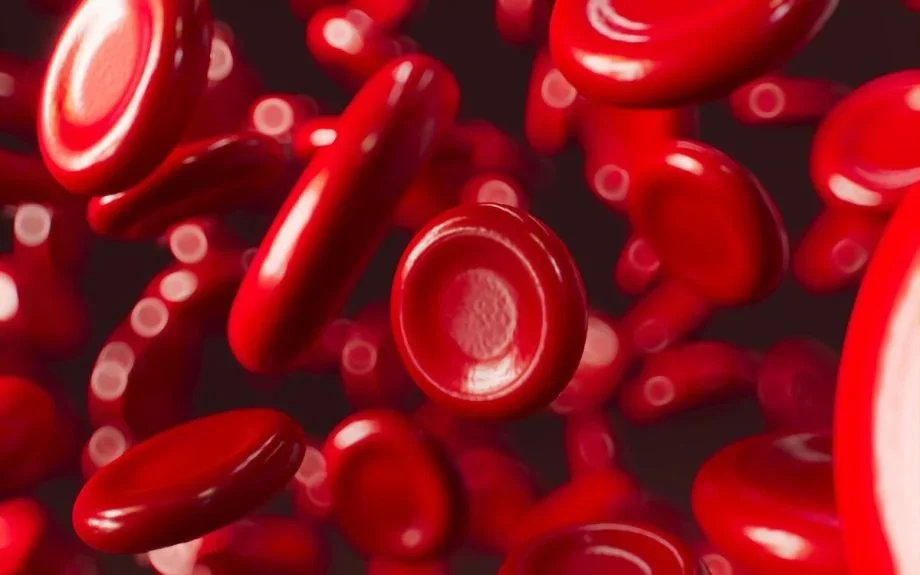
Hematocrit measures the percentage of blood volume occupied by red blood cells. Hemoglobin, measured alongside it, reflects the amount of oxygen-carrying protein within those cells. Together, they give a picture of the blood's oxygen-carrying capacity.
Testosterone stimulates erythropoiesis — the production of new red blood cells — through multiple mechanisms, including increased production of erythropoietin (EPO) in the kidneys. This is a physiologically normal response to testosterone that occurs across the population of men on TRT. The clinical question is not whether hematocrit will rise, but how much, and whether it rises into a range that warrants management.
Normal Reference Ranges
| Category | Hematocrit Range |
|---|---|
| Normal adult male | 38.3–48.6% |
| Acceptable on TRT | Up to 52–54% |
| Clinical threshold for intervention | ≥ 54% (varies by guideline) |
Hemoglobin follows a parallel pattern, with normal male values of approximately 13.5–17.5 g/dL.
What Does It Mean for the Body?
When hematocrit rises significantly above the normal range — a condition called erythrocytosis or polycythemia — blood viscosity increases. Thicker blood flows less easily through small blood vessels, which can theoretically raise the risk of cardiovascular events, particularly in men who have additional cardiovascular risk factors. Symptoms of significantly elevated hematocrit may include: headaches, flushing, fatigue (paradoxically), dizziness, and a subjective sense of fullness or pressure.
It is worth emphasizing that mild elevations (52–54%) are generally well-tolerated and common on TRT. Levels above 54% typically prompt clinical action.
What Does It Mean on TRT or Hormone Therapy?
Managing hematocrit on TRT is a well-established clinical practice with multiple tools available. If hematocrit rises to or above the intervention threshold, options include:
- Dose reduction: Lower testosterone doses produce less erythropoietic stimulus
- Frequency adjustment: More frequent, lower-dose injections may reduce peak testosterone levels and therefore peak erythropoietic drive
- Hydration: Adequate hydration maintains appropriate blood volume and can modestly affect hematocrit readings
- Therapeutic phlebotomy: Donation of blood (either through a blood bank or therapeutic draw) is an effective, direct intervention for hematocrit above threshold
None of these decisions should be made unilaterally — all are guided by provider assessment of labs, symptoms, and overall clinical picture.
What Does It Mean for Weight Loss Patients?
Medical weight loss programs without TRT do not typically drive hematocrit elevation. However, men who are pursuing both TRT and weight loss should maintain consistent monitoring, as the combined effects of therapy and improved overall health on blood parameters can vary.
Why We Check It — and How Often
| Timing | Reason |
|---|---|
| Baseline | Establish starting CBC before TRT |
| 6 weeks after initiating TRT | Assess initial erythropoietic response |
| Every 6 weeks until stable | Titration monitoring |
| Every 3–6 months on stable TRT | Ongoing safety surveillance |
What Can Affect This Lab Value?
- Testosterone dose: Higher doses drive more erythropoiesis
- Route of administration: Injectable testosterone tends to produce higher peak levels and more erythrocytosis than topical formulations
- Altitude: Living or exercising at altitude raises hematocrit physiologically
- Sleep apnea: Untreated sleep apnea causes chronic hypoxia, which drives red blood cell production independent of TRT
- Dehydration: Reduces plasma volume, artificially concentrating hematocrit
- Smoking: Carbon monoxide from cigarette smoke reduces oxygen delivery, stimulating compensatory RBC production
- Oral testosterone: Certain formulations have different erythrocytic profiles
Medical Disclaimer: The information in this article is for educational purposes only and is not intended as medical advice, diagnosis, or treatment. Lab reference ranges vary by laboratory, age, and individual health status. Always consult a licensed medical professional before making any changes to your health care regimen.
If you'd like to better understand what your lab results mean for your overall health, the team at Modern Men's Clinic in Powdersville, SC is here to help. We offer comprehensive hormone and metabolic lab panels as part of our TRT, medical weight loss, and hormone management programs — with personalized consultations led by John Garren, NP-C. Serving Greenville, Anderson, Easley, Pickens, and all of Upstate South Carolina, with telehealth available statewide. Call us at 864-689-3194 or visit modernmensclinics.com.
7 Signs You May Need Testosterone Replacement Therapy — And What to Do About It
Most men do not wake up one day and think, "I think my testosterone is low." Instead, it is a slow drift — a gradual erosion of the energy, strength, mood, and drive they once took for granted.
By the time most men walk through our door at Modern Men's Clinic, they have been living below their potential for years — often dismissing what they feel as stress, age, or just life.
“How did I get here”
Most men do not wake up one day and think, "I think my testosterone is low." Instead, it is a slow drift — a gradual erosion of the energy, strength, mood, and drive they once took for granted.
By the time most men walk through our door at Modern Men's Clinic, they have been living below their potential for years — often dismissing what they feel as stress, age, or just life.
Here are seven signs that what you are experiencing may be more than that.
1. You Are Exhausted — All the Time
Not tired after a long week. Bone-deep fatigue that does not respond to rest. If you are sleeping seven or eight hours and still waking up feeling like you barely slept, your hormones deserve a look.
Testosterone plays a direct role in energy metabolism. When levels drop, so does your ability to feel genuinely rested and alert.
2. Your Body Composition Has Shifted
More fat around the middle. Less muscle, even if you are still training. Testosterone is a key driver of both fat metabolism and muscle protein synthesis. When it drops, your body starts storing fat more efficiently — and building muscle becomes an uphill battle.
3. Your Sex Drive Has Faded
A reduced interest in sex is one of the most common early indicators of low testosterone. This is not about age — it is about hormone levels. Many men find that restoring testosterone to an optimal range significantly revives libido and sexual confidence.
4. Erections Are Less Reliable
Testosterone does not act alone in sexual function, but it is a major player. Difficulty achieving or maintaining erections — especially in the absence of cardiovascular disease or other known causes — is often tied to hormonal imbalance.
5. Your Mood Has Changed
Irritability, low motivation, mild depression, a sense of emotional flatness — these are real neurological symptoms of testosterone deficiency. If you find yourself feeling unlike yourself emotionally, it is worth ruling out a hormonal root cause before assuming it is purely psychological.
6. Brain Fog Is a Daily Reality
Struggling to focus? Finding it harder to retain information or think clearly? Testosterone has a direct impact on cognitive function. Many patients on TRT report that improved mental clarity was one of the first and most welcome changes they noticed.
7. You Have Lost Your Drive
Not just for sex — for life. The ambition, competitiveness, and sense of purpose that once felt natural have dulled. Testosterone influences motivation at a neurochemical level. Restoring healthy levels can help men feel re-engaged with their work, their relationships, and their goals.
What to Do Next
If this list describes you, the first step is a blood panel. Guessing is not a strategy, and no supplement will compensate for a true hormonal deficiency.
Modern Men's Clinic offers comprehensive lab-based hormone evaluations for men in Anderson, Pickens, and Greenville counties. We accept labs from your current provider (within 30 days) or can direct you to Tiger Diagnostics for initial testing.
From there, we review your results together, discuss your symptoms and goals, and — if appropriate — build a TRT protocol designed specifically for you.
You deserve to feel like yourself again. Let's find out what's in the way.
If you you are in the Upstate of South Carolina and would like to be evaluated please give us a call or become a patient off our contact page at www.modernmensclinics.com
Title: Testosterone and Sleep: Why Poor Sleep Is Quietly Destroying Your Hormone Levels
If there is one lifestyle factor that has a more direct impact on testosterone than almost anything else — it is sleep.
If there is one lifestyle factor that has a more direct impact on testosterone than almost anything else — it is sleep.
Not stress. Not diet. Not exercise. Sleep.
Yet most conversations about low testosterone focus on symptoms, lab values, and treatment options. The connection between poor sleep and hormonal decline often goes unaddressed — and for men in Upstate South Carolina who are already dealing with the demands of work, family, and aging, it is a connection worth understanding clearly.
How Sleep Regulates Testosterone
The majority of your daily testosterone is produced during sleep — specifically during REM and slow-wave sleep cycles. The pituitary gland releases pulses of luteinizing hormone (LH) during these stages, which signals the testes to produce testosterone.
When sleep is cut short, fragmented, or poor in quality, those pulses are disrupted. Studies have shown that men who sleep five hours or fewer per night can experience testosterone declines equivalent to 10 to 15 years of aging — within just one week of sleep restriction.
That is not a slow drift. That is a steep drop with measurable consequences.
The Bidirectional Problem
Here is what makes this particularly challenging: low testosterone also worsens sleep quality. Men with low T are more likely to experience:
- Difficulty falling asleep
- Frequent nighttime waking
- Reduced time in restorative sleep stages
- Sleep apnea (which further suppresses testosterone)
Low testosterone disrupts sleep. Poor sleep lowers testosterone. The two problems reinforce each other — and many men are caught in this cycle without recognizing it.
Sleep Apnea and Testosterone
Obstructive sleep apnea is significantly more common in men with low testosterone and excess body fat — two conditions that often occur together. During apnea events, oxygen levels drop and the body produces stress hormones that actively suppress testosterone production.
Men who are treated for sleep apnea frequently see improvements in testosterone levels even before beginning TRT. For some, addressing sleep apnea is a critical first step in hormone optimization.
What This Means for Your Treatment
At Modern Men's Clinic, we ask about sleep as part of every intake evaluation — because sleep quality is both a symptom of hormonal imbalance and a driver of it.
For some patients, improving sleep hygiene and addressing sleep apnea meaningfully impacts their hormonal picture. For others, restoring testosterone through TRT significantly improves sleep quality — often within the first few weeks of treatment.
Both pathways are real, and we assess each patient individually.
Serving Men in Anderson, Pickens, and Greenville Counties
Modern Men's Clinic is located in Piedmont, SC. If you are dealing with poor sleep alongside fatigue, weight gain, or other signs of low testosterone, a comprehensive evaluation can help identify what is actually driving your symptoms.
Sleep is not a luxury. It is when your body produces the hormones that make everything else work. Let's make sure yours is.

Title: Medical Weight Loss for Men Over 40: Why Willpower Is Not the Problem
“Is this just what I have to deal with now that I’m over 40”
You have tried eating less and moving more. You have cut carbs, gone to the gym, tracked your calories. And yet the weight — especially around your midsection — refuses to move in any meaningful way.
If this sounds familiar, here is what you need to hear: the problem is not your willpower. For many men over 40, the problem is biology.
Is this just what I have to deal with now that I’m over 40”
You have tried eating less and moving more. You have cut carbs, gone to the gym, tracked your calories. And yet the weight — especially around your midsection — refuses to move in any meaningful way.
If this sounds familiar, here is what you need to hear: the problem is not your willpower. For many men over 40, the problem is biology.
Why Weight Loss Gets Harder With Age
Several physiological shifts make weight loss increasingly difficult as men get older:
Declining Testosterone
Testosterone plays a direct role in fat metabolism and muscle preservation. As levels fall, the body becomes more efficient at storing fat — particularly visceral fat around the abdomen — and less efficient at building the lean muscle that burns calories at rest.
Insulin Resistance
As men age, cells can become less responsive to insulin, making it harder to process carbohydrates effectively and promoting fat storage.
Metabolic Slowdown
Resting metabolic rate declines with age and muscle loss. This means the same diet that kept a man lean at 30 can lead to steady weight gain by 45.
Hormonal Cascade Effects
Low testosterone leads to higher body fat, which increases estrogen conversion, which further suppresses testosterone. It is a cycle that becomes progressively harder to break without medical intervention.
What Is Medical Weight Loss?
Medical weight loss goes beyond diet advice and exercise plans. It uses clinically proven tools — lab work, metabolic assessment, and prescription medications — to address the biological barriers to fat loss that willpower simply cannot overcome.
At Modern Men's Clinic, our medical weight loss program is built around each patient's unique metabolic profile. We begin with a comprehensive panel that includes:
- CMP with GFR
- CBC with differential
- TSH reflex to T4
- Hemoglobin A1c and insulin levels
- Lipid panel
- Vitamin B12
- DHEA
- And others if needed
This tells us what we are actually working with — and why your body has been resisting change.
GLP-1 Medications: A Game-Changer for Men
GLP-1 receptor agonists (like semaglutide and tirzepatide) are among the most effective medical weight loss tools available today. These medications work by reducing appetite, slowing gastric emptying for sustained fullness, improving insulin sensitivity, and directly supporting fat loss.
Medical weight loss programs at Modern Men's Clinic typically run four months to one year, depending on goals. GLP-1 medications are available at $250–$500 per month, with initial labs at $101 at the time of this blog post. Many of the labs you need for TRT and medial weight loss are the same.
The Testosterone Connection
One of the most overlooked aspects of men's weight loss is the relationship between testosterone and body composition. Many of our patients are dealing with both low T and stubborn weight — and these two problems are often feeding each other.
When we address both simultaneously, the results are significantly better than treating either one in isolation.
Modern Men's Clinic is located in Piedmont, SC, and serves Anderson, Pickens, and Greenville counties, with telehealth options available statewide.
If any of this sounds like you we would love to work with you just give us a call or fill out the become a client button found here.
Low Testosterone Treatment Near Piedmont, SC: What to Expect from Your First Visit
If you’re searching for low testosterone treatment near Piedmont, SC, knowing what to expect can make the process far less intimidating.
At Modern Men’s Clinic LLC, the goal is simple: identify the root cause of your symptoms and create a clear, effective treatment plan.
Step 1: Identification of symptoms by ADAM screening
The ADAM questior lets you know if you have symptoms can be appart of the symptoms of low T. If you do we can set you up with lab work that will have you prepared for your first visit.
Accurate diagnosis requires:
Total testosterone
Free testosterone
Estradiol
Thyroid function
Metabolic markers
Testing is typically done in the morning when testosterone levels are highest
Step 2: Comprehensive Consultation
Your first visit includes a detailed discussion of:
Symptoms
Medical history
Lifestyle factors
This helps determine whether low testosterone is a likely cause.
Step 3: Personalized Treatment Plan
If low testosterone is confirmed, your provider will design a plan that may include:
Testosterone therapy
Adjunct treatments
Lifestyle recommendations
Step 4: Ongoing Monitoring
Follow-up is critical. Patients receive:
Regular lab work
Dose adjustments
Symptom tracking
Why Local Care Matters
Choosing a clinic near Piedmont ensures:
Easy access to follow-ups
Personalized attention
Continuity of care
Take the First Step
If you’ve been feeling “off” and can’t explain why, getting tested is the first step toward clarity.
What to Expect from Testosterone Replacement Therapy (TRT)
Starting testosterone replacement therapy is a significant decision. Many men begin TRT with high expectations, but understanding what actually happens—both short-term and long-term—is critical for success.
The First Few Weeks
During the initial phase, changes are often subtle:
Slight increase in energy
Improved mood
Better sleep quality
However, dramatic changes typically do not occur immediately.
1–3 Months
This is when more noticeable improvements begin:
Increased libido
Improved mental clarity
Enhanced motivation
Some men also begin to see early changes in body composition.
3–6 Months
Physical changes become more apparent:
Increased muscle mass
Reduced body fat
Improved exercise performance
Sexual function often continues to improve during this period.
6–12 Months
Longer-term benefits include:
Stabilized mood
Sustained energy levels
Improved metabolic health
Bone density improvements may also begin.
What TRT Does NOT Do
TRT is not:
An instant transformation
A substitute for diet and exercise
A cure-all for every health issue
Lifestyle still plays a major role in outcomes.
Monitoring and Adjustments
Successful TRT requires ongoing monitoring:
Testosterone levels
Hematocrit
Lipid profile
PSA (prostate health)
Dosing adjustments are common and necessary.
Potential Side Effects
Some men may experience:
Acne or oily skin
Increased red blood cell count
Fluid retention
Most side effects are manageable with proper care.
Adjunct Therapies
In some cases, additional treatments may be used alongside TRT:
Medications to maintain fertility
Estrogen management strategies
Lifestyle interventions
Psychological Expectations
One of the biggest challenges is managing expectations. TRT can improve quality of life, but it won’t:
Fix relationships
Eliminate all stress
Replace healthy habits
The Long-Term Perspective
TRT is typically a long-term commitment. Stopping therapy can lead to a return of symptoms unless underlying causes have been addressed.
Conclusion
When approached correctly, TRT can be a powerful tool for improving health and well-being. The key is realistic expectations, proper medical supervision, and a commitment to overall lifestyle improvement.
Symptoms of Low Testosterone in Men: What to Watch For
Low testosterone, or male hypogonadism, can affect nearly every aspect of a man’s physical and mental health. The challenge is that symptoms often develop gradually and can be mistaken for normal aging.
Physical Symptoms
1. Reduced Muscle Mass and Strength
Testosterone is essential for muscle protein synthesis. Low levels lead to:
Loss of muscle mass
Decreased strength
Slower recovery from exercise
2. Increased Body Fat
Particularly in the abdominal area, contributing to metabolic issues.
3. Low Energy and Fatigue
Persistent tiredness is one of the most common complaints.
4. Decreased Bone Density
Low testosterone increases the risk of osteoporosis and fractures.
Sexual Symptoms
1. Reduced Libido
A noticeable drop in sexual desire is often the earliest sign.
2. Erectile Dysfunction
While multifactorial, testosterone plays a key role in sexual function.
3. Reduced Morning Erections
A subtle but important indicator of hormonal health.
Mental and Emotional Symptoms
1. Brain Fog
Difficulty concentrating or remembering information.
2. Depression and Irritability
Mood changes are common but often overlooked.
3. Lack of Motivation
A decline in drive and ambition.
Sleep-Related Symptoms
Poor sleep quality
Difficulty falling or staying asleep
How Symptoms Progress
Symptoms often start subtly:
Mild fatigue
Slight decline in libido
Over time, they can evolve into:
Significant weight gain
Loss of confidence
Reduced quality of life
When to Seek Evaluation
Men should consider testing if they experience:
Persistent fatigue
Low libido
Unexplained mood changes
Decreased physical performance
Diagnosis Matters
A proper diagnosis requires both:
Clinical symptoms
Confirmed low testosterone levels via blood tests
Final Thoughts
Low testosterone is more than just a number on a lab report—it’s a condition that can significantly impact quality of life. Recognizing the symptoms early allows for timely intervention and better outcomes.
Testosterone Therapy and Cardiovascular Health: Risks, Benefits, and the Evolving Evidence
Testosterone replacement therapy (TRT) has long been viewed with caution when it comes to cardiovascular health. For years, clinicians worried that restoring testosterone levels might increase the risk of heart attack, stroke, or blood clots. However, more recent research has begun to challenge that narrative, suggesting a far more nuanced—and in some cases beneficial—relationship between testosterone and the cardiovascular system.
Understanding Testosterone’s Role in the Cardiovascular System
Testosterone is not just a reproductive hormone. It plays a critical role in multiple physiological systems, including:
Vascular tone and endothelial function
Lipid metabolism
Insulin sensitivity
Body composition (fat vs. lean mass)
Inflammation regulation
Low testosterone levels are frequently associated with conditions such as obesity, metabolic syndrome, and type 2 diabetes—all of which are major cardiovascular risk factors.
Low Testosterone as a Cardiovascular Risk Marker
Men with clinically low testosterone often present with:
Increased visceral fat
Reduced muscle mass
Insulin resistance
Elevated inflammatory markers
These factors contribute to a higher likelihood of developing atherosclerosis and cardiovascular disease. In fact, several observational studies have shown that men with low testosterone levels have higher all-cause and cardiovascular mortality rates.
What Does TRT Do to the Heart?
Modern evidence suggests that properly managed TRT may actually improve several cardiovascular risk markers:
1. Improved Body Composition
TRT can reduce visceral fat and increase lean muscle mass. This shift alone improves metabolic health and reduces strain on the cardiovascular system.
2. Better Insulin Sensitivity
Testosterone therapy has been shown to improve glucose metabolism, which is particularly beneficial for men with prediabetes or type 2 diabetes.
3. Lipid Profile Changes
While results vary, TRT often leads to:
Decreased total cholesterol
Modest reductions in LDL (“bad cholesterol”)
Variable effects on HDL (“good cholesterol”)
4. Reduced Inflammation
Chronic inflammation plays a key role in heart disease. TRT may lower inflammatory cytokines, contributing to improved vascular health.
5. Enhanced Endothelial Function
Testosterone helps blood vessels dilate more effectively, improving circulation and potentially lowering blood pressure.
Addressing the Controversy
Earlier studies raised alarms about TRT increasing cardiovascular risk, but many of these studies had significant limitations:
Inclusion of older, frail populations
Use of supraphysiologic doses
Poor monitoring protocols
More recent randomized controlled trials and meta-analyses have generally found that TRT does not increase cardiovascular risk when prescribed appropriately and may even reduce it in certain populations.
Who Benefits Most?
The cardiovascular benefits of TRT appear most pronounced in:
Men with confirmed hypogonadism
Those with metabolic syndrome
Individuals with insulin resistance or type 2 diabetes
However, TRT is not a universal solution. Patients must be carefully screened and monitored.
Potential Risks to Monitor
Even with newer data, TRT is not risk-free. Key concerns include:
Elevated hematocrit (thickened blood)
Fluid retention
Potential exacerbation of pre-existing heart conditions
Regular monitoring of blood counts, lipids, and cardiovascular markers is essential.
The Bottom Line
The outdated belief that testosterone therapy is inherently dangerous for the heart is being replaced by a more balanced understanding. For men with clinically low testosterone, TRT may offer meaningful cardiovascular benefits—particularly when combined with lifestyle improvements such as diet, exercise, and weight management.
What is TRT therapy and what is it not?
It all begins with an idea.
Before we cover what Testosterone therapy also know as TRT is lets cover what is not. TRT therapy is a steroid hormone that mimics naturally occurring steroids produced in our bodies. But unlike steroids found in the gray or black market its given at the levels to replace a deficiency TRT therapy is not doing steroids. Its replacing philologically low levels in the body.
How is TRT given? TRT can given in multiple ways including intra-muscular or injections under the skin done every day or few days, pellets inserted under the skin every few months, creams/gels placed daily, or dissolvable/under the tongue medications taken daily.
TRT is said by some to make you feel that you have drank from the fountain of youth. Some would think that everyone should take it then. Like any medication it contains some side affects and is not appropriate for every one. To make sure this is a good fit for your health, personal goals, and life style its important to be evaluated by a medical professional. This includes initial and follow up lab work, dosage adjustments, and at times side effect mediation. If you belive you suffer from low testosterone symptoms please reach out to us as we would love to set you up for lab work and go over your options.
