

Cystatin C: The Kidney Test That Does Not Get Confused by Muscle
Cystatin C measures kidney function independently of muscle mass — making it essential for muscular men on TRT. Modern Men's Clinic, South Carolina.
Cystatin C: The Kidney Test That Does Not Get Confused by Muscle
Why this advanced marker is becoming the standard for men on testosterone replacement therapy
For most of the history of clinical laboratory medicine, creatinine has been the default marker for kidney function. It is inexpensive, widely available, and reasonably reliable — in the general population. But for men who carry significant muscle mass, or who are building muscle on testosterone replacement therapy, creatinine has a well-recognized blind spot. It rises with muscle growth, creating an interpretive ambiguity that can obscure true kidney function.
Cystatin C is an alternative kidney filtration marker that does not share this limitation. It is produced at a constant rate by virtually all nucleated cells in the body — independent of muscle mass — and is cleared by the kidneys in a manner that closely parallels creatinine. For muscular men and men on TRT, cystatin C provides a significantly more accurate picture of kidney filtration.
What Is Cystatin C?
Cystatin C is a small protein produced by virtually all cells at a constant, predictable rate. Like creatinine, it is freely filtered by the glomeruli (the kidney's filtering units), and its serum level reflects how efficiently the kidneys are clearing it. Unlike creatinine, its production rate is not influenced by muscle mass, dietary protein intake, or exercise — which means changes in cystatin C more reliably reflect changes in actual kidney function rather than changes in body composition.
Cystatin C is used to calculate cystatin C-based eGFR, which has been shown in research to be a more accurate measure of kidney filtration in certain populations — including muscular men.
Normal Reference Ranges
| Category | Range |
|---|---|
| Normal cystatin C (adult) | 0.52–1.00 mg/L |
| Mildly elevated | 1.00–1.30 mg/L |
| Elevated (kidney function concern) | > 1.30 mg/L |
What Does It Mean for the Body?
When cystatin C is elevated in a man whose creatinine is also elevated, the clinical concern for genuine kidney impairment is stronger. When cystatin C is normal but creatinine is elevated, the most likely explanation is increased creatinine production from higher muscle mass — a reassuring finding in a man who has been actively building lean tissue on TRT.
This distinction — cystatin C as a "tiebreaker" for ambiguous creatinine results — is one of its most clinically valuable applications.
What Does It Mean on TRT or Hormone Therapy?
As discussed in Article 12, TRT-related muscle growth can raise creatinine without any kidney impairment. Cystatin C allows providers to confidently distinguish this scenario from true renal decline. For men on long-term TRT, including cystatin C in periodic monitoring adds an important layer of confidence to kidney safety surveillance.
What Does It Mean for Weight Loss Patients?
Body composition shifts during significant weight loss — including loss of lean mass — can also affect creatinine. Cystatin C remains an independent, reliable marker during these transitions, providing a consistent reference point for kidney function regardless of what is happening to body composition.
Why We Check It — and How Often
| Timing | Reason |
|---|---|
| Baseline or when creatinine is ambiguous | Distinguish muscle mass effect from kidney impairment |
| Annually on long-term TRT | Comprehensive kidney health monitoring |
| With significant body composition changes | Reliable reference during transitions |
What Can Affect This Lab Value?
- Thyroid dysfunction: Hypothyroidism raises cystatin C; hyperthyroidism may lower it
- Corticosteroid use: High-dose corticosteroids can elevate cystatin C
- Inflammatory states: Systemic inflammation may transiently affect cystatin C
- Age: Cystatin C rises modestly with age, independent of kidney disease
- Body fat (not muscle mass): Some research suggests adipose tissue produces small amounts of cystatin C, though the effect is minor
Medical Disclaimer: The information in this article is for educational purposes only and is not intended as medical advice, diagnosis, or treatment. Lab reference ranges vary by laboratory, age, and individual health status. Always consult a licensed medical professional before making any changes to your health care regimen.
If you'd like to better understand what your lab results mean for your overall health, the team at Modern Men's Clinic in Powdersville, SC is here to help. We offer comprehensive hormone and metabolic lab panels as part of our TRT, medical weight loss, and hormone management programs — with personalized consultations led by John Garren, NP-C. Serving Greenville, Anderson, Easley, Pickens, and all of Upstate South Carolina, with telehealth available statewide. Call us at 864-689-3194 or visit modernmensclinics.com.
Hematocrit and Hemoglobin: The TRT Safety Marker Every Patient Should Understand
TRT raises red blood cell production. Learn what hematocrit and hemoglobin mean for TRT safety at Modern Men's Clinic, Greenville SC.
Hematocrit and Hemoglobin: The TRT Safety Marker Every Patient Should Understand
Why testosterone raises red blood cell counts — and why monitoring this is a non-negotiable part of responsible TRT
Of all the labs monitored in testosterone replacement therapy, hematocrit is one of the most clinically important from a safety standpoint. It is also one of the most commonly discussed when men research TRT online — often with a mix of accurate information and significant overstatement. The goal of this article is to explain, clearly and without alarm, what hematocrit measures, why TRT increases it, what levels require attention, and what management options exist when levels climb too high.
Understanding this lab value is part of being an informed participant in any hormone management program.
What Is Hematocrit?
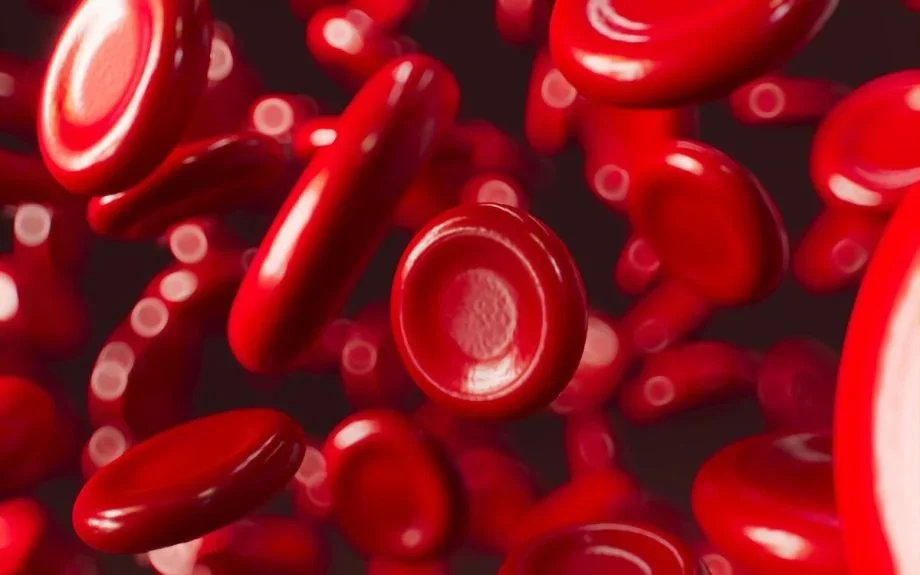
Hematocrit measures the percentage of blood volume occupied by red blood cells. Hemoglobin, measured alongside it, reflects the amount of oxygen-carrying protein within those cells. Together, they give a picture of the blood's oxygen-carrying capacity.
Testosterone stimulates erythropoiesis — the production of new red blood cells — through multiple mechanisms, including increased production of erythropoietin (EPO) in the kidneys. This is a physiologically normal response to testosterone that occurs across the population of men on TRT. The clinical question is not whether hematocrit will rise, but how much, and whether it rises into a range that warrants management.
Normal Reference Ranges
| Category | Hematocrit Range |
|---|---|
| Normal adult male | 38.3–48.6% |
| Acceptable on TRT | Up to 52–54% |
| Clinical threshold for intervention | ≥ 54% (varies by guideline) |
Hemoglobin follows a parallel pattern, with normal male values of approximately 13.5–17.5 g/dL.
What Does It Mean for the Body?
When hematocrit rises significantly above the normal range — a condition called erythrocytosis or polycythemia — blood viscosity increases. Thicker blood flows less easily through small blood vessels, which can theoretically raise the risk of cardiovascular events, particularly in men who have additional cardiovascular risk factors. Symptoms of significantly elevated hematocrit may include: headaches, flushing, fatigue (paradoxically), dizziness, and a subjective sense of fullness or pressure.
It is worth emphasizing that mild elevations (52–54%) are generally well-tolerated and common on TRT. Levels above 54% typically prompt clinical action.
What Does It Mean on TRT or Hormone Therapy?
Managing hematocrit on TRT is a well-established clinical practice with multiple tools available. If hematocrit rises to or above the intervention threshold, options include:
- Dose reduction: Lower testosterone doses produce less erythropoietic stimulus
- Frequency adjustment: More frequent, lower-dose injections may reduce peak testosterone levels and therefore peak erythropoietic drive
- Hydration: Adequate hydration maintains appropriate blood volume and can modestly affect hematocrit readings
- Therapeutic phlebotomy: Donation of blood (either through a blood bank or therapeutic draw) is an effective, direct intervention for hematocrit above threshold
None of these decisions should be made unilaterally — all are guided by provider assessment of labs, symptoms, and overall clinical picture.
What Does It Mean for Weight Loss Patients?
Medical weight loss programs without TRT do not typically drive hematocrit elevation. However, men who are pursuing both TRT and weight loss should maintain consistent monitoring, as the combined effects of therapy and improved overall health on blood parameters can vary.
Why We Check It — and How Often
| Timing | Reason |
|---|---|
| Baseline | Establish starting CBC before TRT |
| 6 weeks after initiating TRT | Assess initial erythropoietic response |
| Every 6 weeks until stable | Titration monitoring |
| Every 3–6 months on stable TRT | Ongoing safety surveillance |
What Can Affect This Lab Value?
- Testosterone dose: Higher doses drive more erythropoiesis
- Route of administration: Injectable testosterone tends to produce higher peak levels and more erythrocytosis than topical formulations
- Altitude: Living or exercising at altitude raises hematocrit physiologically
- Sleep apnea: Untreated sleep apnea causes chronic hypoxia, which drives red blood cell production independent of TRT
- Dehydration: Reduces plasma volume, artificially concentrating hematocrit
- Smoking: Carbon monoxide from cigarette smoke reduces oxygen delivery, stimulating compensatory RBC production
- Oral testosterone: Certain formulations have different erythrocytic profiles
Medical Disclaimer: The information in this article is for educational purposes only and is not intended as medical advice, diagnosis, or treatment. Lab reference ranges vary by laboratory, age, and individual health status. Always consult a licensed medical professional before making any changes to your health care regimen.
If you'd like to better understand what your lab results mean for your overall health, the team at Modern Men's Clinic in Powdersville, SC is here to help. We offer comprehensive hormone and metabolic lab panels as part of our TRT, medical weight loss, and hormone management programs — with personalized consultations led by John Garren, NP-C. Serving Greenville, Anderson, Easley, Pickens, and all of Upstate South Carolina, with telehealth available statewide. Call us at 864-689-3194 or visit modernmensclinics.com.
7 Signs You May Need Testosterone Replacement Therapy — And What to Do About It
Most men do not wake up one day and think, "I think my testosterone is low." Instead, it is a slow drift — a gradual erosion of the energy, strength, mood, and drive they once took for granted.
By the time most men walk through our door at Modern Men's Clinic, they have been living below their potential for years — often dismissing what they feel as stress, age, or just life.
“How did I get here”
Most men do not wake up one day and think, "I think my testosterone is low." Instead, it is a slow drift — a gradual erosion of the energy, strength, mood, and drive they once took for granted.
By the time most men walk through our door at Modern Men's Clinic, they have been living below their potential for years — often dismissing what they feel as stress, age, or just life.
Here are seven signs that what you are experiencing may be more than that.
1. You Are Exhausted — All the Time
Not tired after a long week. Bone-deep fatigue that does not respond to rest. If you are sleeping seven or eight hours and still waking up feeling like you barely slept, your hormones deserve a look.
Testosterone plays a direct role in energy metabolism. When levels drop, so does your ability to feel genuinely rested and alert.
2. Your Body Composition Has Shifted
More fat around the middle. Less muscle, even if you are still training. Testosterone is a key driver of both fat metabolism and muscle protein synthesis. When it drops, your body starts storing fat more efficiently — and building muscle becomes an uphill battle.
3. Your Sex Drive Has Faded
A reduced interest in sex is one of the most common early indicators of low testosterone. This is not about age — it is about hormone levels. Many men find that restoring testosterone to an optimal range significantly revives libido and sexual confidence.
4. Erections Are Less Reliable
Testosterone does not act alone in sexual function, but it is a major player. Difficulty achieving or maintaining erections — especially in the absence of cardiovascular disease or other known causes — is often tied to hormonal imbalance.
5. Your Mood Has Changed
Irritability, low motivation, mild depression, a sense of emotional flatness — these are real neurological symptoms of testosterone deficiency. If you find yourself feeling unlike yourself emotionally, it is worth ruling out a hormonal root cause before assuming it is purely psychological.
6. Brain Fog Is a Daily Reality
Struggling to focus? Finding it harder to retain information or think clearly? Testosterone has a direct impact on cognitive function. Many patients on TRT report that improved mental clarity was one of the first and most welcome changes they noticed.
7. You Have Lost Your Drive
Not just for sex — for life. The ambition, competitiveness, and sense of purpose that once felt natural have dulled. Testosterone influences motivation at a neurochemical level. Restoring healthy levels can help men feel re-engaged with their work, their relationships, and their goals.
What to Do Next
If this list describes you, the first step is a blood panel. Guessing is not a strategy, and no supplement will compensate for a true hormonal deficiency.
Modern Men's Clinic offers comprehensive lab-based hormone evaluations for men in Anderson, Pickens, and Greenville counties. We accept labs from your current provider (within 30 days) or can direct you to Tiger Diagnostics for initial testing.
From there, we review your results together, discuss your symptoms and goals, and — if appropriate — build a TRT protocol designed specifically for you.
You deserve to feel like yourself again. Let's find out what's in the way.
If you you are in the Upstate of South Carolina and would like to be evaluated please give us a call or become a patient off our contact page at www.modernmensclinics.com
Low Testosterone Treatment Near Piedmont, SC: What to Expect from Your First Visit
If you’re searching for low testosterone treatment near Piedmont, SC, knowing what to expect can make the process far less intimidating.
At Modern Men’s Clinic LLC, the goal is simple: identify the root cause of your symptoms and create a clear, effective treatment plan.
Step 1: Identification of symptoms by ADAM screening
The ADAM questior lets you know if you have symptoms can be appart of the symptoms of low T. If you do we can set you up with lab work that will have you prepared for your first visit.
Accurate diagnosis requires:
Total testosterone
Free testosterone
Estradiol
Thyroid function
Metabolic markers
Testing is typically done in the morning when testosterone levels are highest
Step 2: Comprehensive Consultation
Your first visit includes a detailed discussion of:
Symptoms
Medical history
Lifestyle factors
This helps determine whether low testosterone is a likely cause.
Step 3: Personalized Treatment Plan
If low testosterone is confirmed, your provider will design a plan that may include:
Testosterone therapy
Adjunct treatments
Lifestyle recommendations
Step 4: Ongoing Monitoring
Follow-up is critical. Patients receive:
Regular lab work
Dose adjustments
Symptom tracking
Why Local Care Matters
Choosing a clinic near Piedmont ensures:
Easy access to follow-ups
Personalized attention
Continuity of care
Take the First Step
If you’ve been feeling “off” and can’t explain why, getting tested is the first step toward clarity.
Conditions That Mimic Low Testosterone: Avoiding Misdiagnosis
Low testosterone is often blamed for a wide range of symptoms—fatigue, low libido, brain fog, and mood changes. However, many other medical and psychological conditions can produce nearly identical symptoms. Misdiagnosing these conditions as low testosterone can delay proper treatment and lead to poor outcomes.
Why Misdiagnosis Happens
The symptoms of low testosterone are nonspecific. They overlap with numerous other conditions, including:
Thyroid disorders
Depression
Sleep disorders
Nutritional deficiencies
Without proper lab testing and clinical evaluation, it’s easy to attribute symptoms to testosterone when another root cause is responsible.
Common Conditions That Mimic Low T
1. Hypothyroidism
An underactive thyroid can cause:
Fatigue
Weight gain
Depression
Reduced libido
Because thyroid hormones regulate metabolism, even mild dysfunction can feel like low testosterone.
2. Depression and Anxiety
Mental health conditions often present with:
Low energy
Lack of motivation
Reduced sexual interest
Cognitive difficulties
Unlike hormonal causes, these symptoms may fluctuate based on stress and life circumstances.
3. Sleep Apnea
Poor sleep quality can significantly reduce testosterone levels temporarily while also causing:
Daytime fatigue
Brain fog
Irritability
Treating sleep apnea often improves testosterone levels naturally.
4. Chronic Stress and Elevated Cortisol
High stress levels suppress testosterone production and can mimic low T symptoms. Chronic stress leads to:
Fatigue
Poor concentration
Reduced libido
5. Nutritional Deficiencies
Deficiencies in key nutrients like:
Vitamin D
Zinc
Magnesium
can impair hormone production and energy levels.
6. Obesity and Metabolic Syndrome
Excess body fat can lower testosterone levels while also independently causing fatigue, low energy, and reduced libido.
7. Medication Side Effects
Certain medications—such as antidepressants, opioids, and steroids—can suppress testosterone or mimic its deficiency.
The Importance of Proper Testing
A true diagnosis of low testosterone requires:
Multiple blood tests (morning levels)
Measurement of free and total testosterone
Evaluation of related hormones (LH, FSH, prolactin)
Symptoms alone are not enough.
A Smarter Approach
Before starting TRT, clinicians should:
Rule out reversible causes
Address lifestyle factors
Treat underlying conditions
In many cases, correcting the root issue restores testosterone levels without the need for lifelong therapy.
Conclusion
Not every case of fatigue or low libido is caused by low testosterone. A thorough evaluation is essential to avoid misdiagnosis and ensure patients receive the most effective treatment.
