

Cystatin C: The Kidney Test That Does Not Get Confused by Muscle
Cystatin C measures kidney function independently of muscle mass — making it essential for muscular men on TRT. Modern Men's Clinic, South Carolina.
Cystatin C: The Kidney Test That Does Not Get Confused by Muscle
Why this advanced marker is becoming the standard for men on testosterone replacement therapy
For most of the history of clinical laboratory medicine, creatinine has been the default marker for kidney function. It is inexpensive, widely available, and reasonably reliable — in the general population. But for men who carry significant muscle mass, or who are building muscle on testosterone replacement therapy, creatinine has a well-recognized blind spot. It rises with muscle growth, creating an interpretive ambiguity that can obscure true kidney function.
Cystatin C is an alternative kidney filtration marker that does not share this limitation. It is produced at a constant rate by virtually all nucleated cells in the body — independent of muscle mass — and is cleared by the kidneys in a manner that closely parallels creatinine. For muscular men and men on TRT, cystatin C provides a significantly more accurate picture of kidney filtration.
What Is Cystatin C?
Cystatin C is a small protein produced by virtually all cells at a constant, predictable rate. Like creatinine, it is freely filtered by the glomeruli (the kidney's filtering units), and its serum level reflects how efficiently the kidneys are clearing it. Unlike creatinine, its production rate is not influenced by muscle mass, dietary protein intake, or exercise — which means changes in cystatin C more reliably reflect changes in actual kidney function rather than changes in body composition.
Cystatin C is used to calculate cystatin C-based eGFR, which has been shown in research to be a more accurate measure of kidney filtration in certain populations — including muscular men.
Normal Reference Ranges
| Category | Range |
|---|---|
| Normal cystatin C (adult) | 0.52–1.00 mg/L |
| Mildly elevated | 1.00–1.30 mg/L |
| Elevated (kidney function concern) | > 1.30 mg/L |
What Does It Mean for the Body?
When cystatin C is elevated in a man whose creatinine is also elevated, the clinical concern for genuine kidney impairment is stronger. When cystatin C is normal but creatinine is elevated, the most likely explanation is increased creatinine production from higher muscle mass — a reassuring finding in a man who has been actively building lean tissue on TRT.
This distinction — cystatin C as a "tiebreaker" for ambiguous creatinine results — is one of its most clinically valuable applications.
What Does It Mean on TRT or Hormone Therapy?
As discussed in Article 12, TRT-related muscle growth can raise creatinine without any kidney impairment. Cystatin C allows providers to confidently distinguish this scenario from true renal decline. For men on long-term TRT, including cystatin C in periodic monitoring adds an important layer of confidence to kidney safety surveillance.
What Does It Mean for Weight Loss Patients?
Body composition shifts during significant weight loss — including loss of lean mass — can also affect creatinine. Cystatin C remains an independent, reliable marker during these transitions, providing a consistent reference point for kidney function regardless of what is happening to body composition.
Why We Check It — and How Often
| Timing | Reason |
|---|---|
| Baseline or when creatinine is ambiguous | Distinguish muscle mass effect from kidney impairment |
| Annually on long-term TRT | Comprehensive kidney health monitoring |
| With significant body composition changes | Reliable reference during transitions |
What Can Affect This Lab Value?
- Thyroid dysfunction: Hypothyroidism raises cystatin C; hyperthyroidism may lower it
- Corticosteroid use: High-dose corticosteroids can elevate cystatin C
- Inflammatory states: Systemic inflammation may transiently affect cystatin C
- Age: Cystatin C rises modestly with age, independent of kidney disease
- Body fat (not muscle mass): Some research suggests adipose tissue produces small amounts of cystatin C, though the effect is minor
Medical Disclaimer: The information in this article is for educational purposes only and is not intended as medical advice, diagnosis, or treatment. Lab reference ranges vary by laboratory, age, and individual health status. Always consult a licensed medical professional before making any changes to your health care regimen.
If you'd like to better understand what your lab results mean for your overall health, the team at Modern Men's Clinic in Powdersville, SC is here to help. We offer comprehensive hormone and metabolic lab panels as part of our TRT, medical weight loss, and hormone management programs — with personalized consultations led by John Garren, NP-C. Serving Greenville, Anderson, Easley, Pickens, and all of Upstate South Carolina, with telehealth available statewide. Call us at 864-689-3194 or visit modernmensclinics.com.
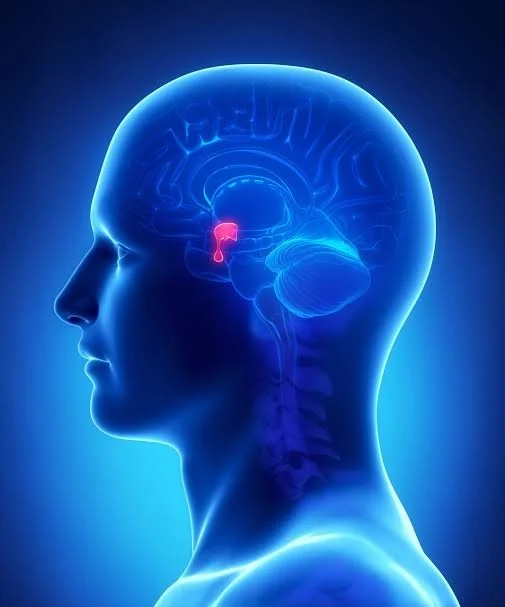
LH and FSH: The Pituitary Hormones That Set the Whole Hormone System in Motion
LH and FSH control testosterone and sperm production. Learn why these baseline labs matter — especially for fertility — at Modern Men's Clinic, Upstate SC.
LH and FSH: The Pituitary Hormones That Set the Whole Hormone System in Motion
Why measuring these baseline markers before starting TRT is one of the most important decisions in men's hormone care
Most men who seek evaluation for low testosterone think of it as a testosterone problem. And in the most direct sense, it is — the testosterone level is low. But testosterone production does not begin in the testes. It begins with two pituitary hormones — luteinizing hormone (LH) and follicle stimulating hormone (FSH) — that act as the upstream signals telling the testes what to do. Measuring LH and FSH before starting any hormone therapy is not a technicality; it is a clinically essential piece of diagnostic information that shapes the entire approach to treatment.
Once exogenous testosterone is introduced, LH and FSH are suppressed to near zero — a normal and expected consequence of TRT. After that point, baseline information about what those values were before therapy is gone. This is why the conversation about LH and FSH needs to happen first.
What Are LH and FSH?
Luteinizing hormone (LH) is produced by the pituitary gland and travels to the testes, where it stimulates Leydig cells to produce testosterone. Follicle stimulating hormone (FSH) also comes from the pituitary and acts on Sertoli cells in the testes to support sperm production (spermatogenesis). Together, LH and FSH are called gonadotropins — the pituitary's primary messengers to the gonads.
The relationship between LH/FSH and testosterone is a negative feedback loop. As testosterone rises, the pituitary reduces LH and FSH output. As testosterone falls, LH and FSH rise to stimulate more production. This loop operates continuously in men who are not on exogenous hormone therapy.
Normal Reference Ranges
HormoneNormal Male RangeLH (Luteinizing Hormone)1.7–8.6 IU/LFSH (Follicle Stimulating Hormone)1.5–12.4 IU/LLH/FSH on exogenous TRTNear zero (expected suppression)
What Does It Mean for the Body?
The pattern of LH and FSH relative to testosterone tells the story of where in the hormone axis a problem originates.
Low testosterone with low LH/FSH (secondary hypogonadism) suggests the problem is at the pituitary or hypothalamic level — the gland is not sending the signal to make testosterone. This is the pattern seen in men with pituitary tumors, elevated prolactin (see Article 9), certain medications, or head injuries. It is also the pattern seen on exogenous TRT.
Low testosterone with high LH/FSH (primary hypogonadism) suggests the problem is at the testicular level — the signal is being sent, but the testes are not responding. This pattern may indicate genetic or structural testicular issues.
Normal testosterone with normal LH/FSH reflects an intact axis — the system is working as designed.
What Does It Mean on TRT or Hormone Therapy?
When a man begins testosterone replacement therapy, the exogenous testosterone signals the hypothalamic-pituitary axis to reduce its output. LH and FSH are suppressed — often to effectively undetectable levels. This suppression also means the testes receive less stimulation and typically reduce their own testosterone production and sperm output. Over time on TRT without additional intervention, testicular size may gradually decrease.
For men who want to preserve testicular size and function while on TRT, human chorionic gonadotropin (HCG) is sometimes added. HCG mimics LH signaling and maintains testicular stimulation despite pituitary suppression. For men interested in fertility preservation or who want to stimulate endogenous testosterone production without exogenous T, clomiphene citrate — which stimulates the pituitary to release more LH and FSH — is another option that providers consider on an individualized basis.
What Does It Mean for Weight Loss Patients?
Significant obesity can blunt LH pulsatility through multiple mechanisms. Baseline LH and FSH in the context of a comprehensive metabolic evaluation help clarify whether hypothalamic-pituitary signaling is intact as part of the broader hormonal picture.
Why We Check It — and How Often
TimingReasonBaseline (before any TRT)Establish diagnostic pattern; irreplaceable data pointBefore TRT in men planning familiesFertility counseling and baselineNot routinely on TRTSuppressed values provide no additional informationWhen investigating recovery or fertility post-TRTAssess axis recovery
What Can Affect This Lab Value?
Exogenous testosterone (TRT, anabolic steroids): Suppresses LH and FSH to near zero
Elevated prolactin: Suppresses GnRH, reducing LH and FSH (see Article 9)
Opioid medications: Opioids potently suppress LH pulsatility
Extreme stress: Cortisol elevation can suppress GnRH and therefore LH/FSH
Obesity: Can reduce LH pulsatility through adipokine and estrogen effects
Pituitary pathology: Tumors or structural issues affecting the pituitary gland
Clomiphene: Raises LH and FSH by blocking estrogen's negative feedback at the pituitary
Medical Disclaimer: The information in this article is for educational purposes only and is not intended as medical advice, diagnosis, or treatment. Lab reference ranges vary by laboratory, age, and individual health status. Always consult a licensed medical professional before making any changes to your health care regimen.
If you'd like to better understand what your lab results mean for your overall health, the team at Modern Men's Clinic in Powdersville, SC is here to help. We offer comprehensive hormone and metabolic lab panels as part of our TRT, medical weight loss, and hormone management programs — with personalized consultations led by John Garren, NP-C. Serving Greenville, Anderson, Easley, Pickens, and all of Upstate South Carolina, with telehealth available statewide. Call us at 864-689-3194 or visit modernmensclinics.com.
Modern Men's Clinic | Powdersville/Piedmont, SC | 864-689-3194 | modernmensclinics.com
Provider: John Garren, NP-C
SHBG: The Hidden Variable That Explains a Lot About Testosterone Levels
SHBG controls how much testosterone is available to your body. Learn what high or low SHBG means for men's hormone health at Modern Men's Clinic, Greenville SC.
SHBG: The Hidden Variable That Explains a Lot About Testosterone Levels
How a protein produced in the liver controls how much testosterone your body can actually use
When a man's testosterone lab results do not match how he feels — or when two men with the same total testosterone number have completely different symptoms — SHBG is often the explanation. Sex hormone binding globulin is one of the most important and most underappreciated variables in men's hormone health, and understanding it can unlock the difference between a lab result that looks fine on paper and one that is clinically meaningful.
SHBG is not a hormone. It is a carrier protein, produced primarily by the liver, that binds to testosterone (and other sex hormones) in the bloodstream. When testosterone is bound to SHBG, it cannot enter cells or exert a biological effect. The higher the SHBG, the less testosterone is available for the body to use — regardless of what the total testosterone number says.
What Is SHBG?
SHBG acts like a transport vehicle for sex hormones. It picks up testosterone and estradiol in the bloodstream and carries them through circulation in an inactive, bound state. Think of it like testosterone in a locked container — present in the blood, but not accessible. Only the testosterone that is free (unbound) or loosely bound to albumin can actually deliver its effects to muscle, brain, bone, and reproductive tissue.
SHBG levels vary widely between individuals and are influenced by a range of physiological and lifestyle factors, which makes it a dynamic and clinically informative marker.
Normal Reference Ranges
| Category | Range |
|---|---|
| Normal adult male SHBG | 10–57 nmol/L |
| Elevated | > 57 nmol/L |
| Low | < 10 nmol/L |
What Does It Mean for the Body?
High SHBG means more testosterone is bound and unavailable, which can result in low free testosterone and its associated symptoms — even when total testosterone appears normal. High SHBG is commonly seen with aging, hyperthyroidism, liver cirrhosis, and elevated estrogen levels (including estrogen-containing medications).
Low SHBG means more testosterone is circulating freely. While this might seem like an advantage, low SHBG often coexists with conditions like obesity, metabolic syndrome, and insulin resistance. Paradoxically, low SHBG can be associated with increased aromatase activity (conversion of testosterone to estrogen), meaning free testosterone may be elevated but estradiol may also rise.
What Does It Mean on TRT or Hormone Therapy?
SHBG is a critical interpretive tool when managing TRT. Men with high SHBG may need higher testosterone doses to achieve an adequate free testosterone level. Men with low SHBG may reach free testosterone targets at lower total doses. Some providers also consider SHBG when selecting injection frequency — more frequent, lower-dose injections can affect SHBG differently than weekly injections.
What Does It Mean for Weight Loss Patients?
Insulin resistance and obesity reliably suppress SHBG. As men lose weight and insulin sensitivity improves — particularly with GLP-1 based programs — SHBG levels often normalize. Tracking SHBG alongside total and free testosterone during a weight loss program can provide valuable insight into how metabolic improvements are translating to hormonal changes.
Why We Check It — and How Often
| Timing | Reason |
|---|---|
| Baseline | Interpret total testosterone in full context |
| Quarterly on TRT | Monitor impact of therapy on SHBG |
| During weight loss | Track metabolic and hormonal shifts |
What Can Affect This Lab Value?
- Aging: SHBG tends to rise gradually with age
- Thyroid disease: Hyperthyroidism raises SHBG significantly
- Liver disease: Cirrhosis and hepatitis impair SHBG regulation
- Exogenous estrogen: Estrogen-containing medications increase SHBG
- Obesity and insulin resistance: Both reliably suppress SHBG
- Androgens (including TRT): Testosterone therapy tends to lower SHBG over time
- Diet: Very low-fat diets and caloric restriction may raise SHBG
- Alcohol: Chronic heavy use affects liver function and therefore SHBG production
Medical Disclaimer: The information in this article is for educational purposes only and is not intended as medical advice, diagnosis, or treatment. Lab reference ranges vary by laboratory, age, and individual health status. Always consult a licensed medical professional before making any changes to your health care regimen.
If you'd like to better understand what your lab results mean for your overall health, the team at Modern Men's Clinic in Powdersville, SC is here to help. We offer comprehensive hormone and metabolic lab panels as part of our TRT, medical weight loss, and hormone management programs — with personalized consultations led by John Garren, NP-C. Serving Greenville, Anderson, Easley, Pickens, and all of Upstate South Carolina, with telehealth available statewide. Call us at 864-689-3194 or visit modernmensclinics.com.
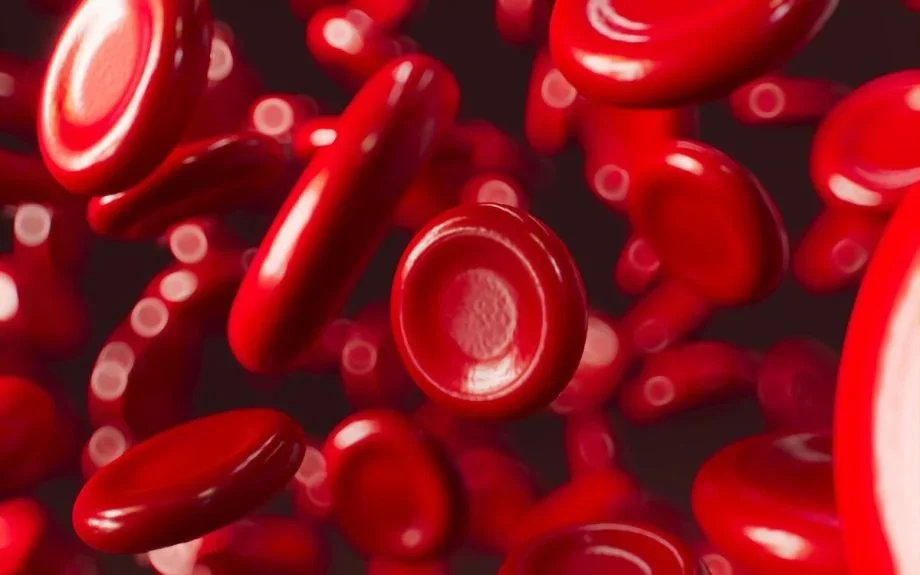
Hematocrit and Hemoglobin: The TRT Safety Marker Every Patient Should Understand
TRT raises red blood cell production. Learn what hematocrit and hemoglobin mean for TRT safety at Modern Men's Clinic, Greenville SC.
Hematocrit and Hemoglobin: The TRT Safety Marker Every Patient Should Understand
Why testosterone raises red blood cell counts — and why monitoring this is a non-negotiable part of responsible TRT
Of all the labs monitored in testosterone replacement therapy, hematocrit is one of the most clinically important from a safety standpoint. It is also one of the most commonly discussed when men research TRT online — often with a mix of accurate information and significant overstatement. The goal of this article is to explain, clearly and without alarm, what hematocrit measures, why TRT increases it, what levels require attention, and what management options exist when levels climb too high.
Understanding this lab value is part of being an informed participant in any hormone management program.
What Is Hematocrit?
Hematocrit measures the percentage of blood volume occupied by red blood cells. Hemoglobin, measured alongside it, reflects the amount of oxygen-carrying protein within those cells. Together, they give a picture of the blood's oxygen-carrying capacity.
Testosterone stimulates erythropoiesis — the production of new red blood cells — through multiple mechanisms, including increased production of erythropoietin (EPO) in the kidneys. This is a physiologically normal response to testosterone that occurs across the population of men on TRT. The clinical question is not whether hematocrit will rise, but how much, and whether it rises into a range that warrants management.
Normal Reference Ranges
| Category | Hematocrit Range |
|---|---|
| Normal adult male | 38.3–48.6% |
| Acceptable on TRT | Up to 52–54% |
| Clinical threshold for intervention | ≥ 54% (varies by guideline) |
Hemoglobin follows a parallel pattern, with normal male values of approximately 13.5–17.5 g/dL.
What Does It Mean for the Body?
When hematocrit rises significantly above the normal range — a condition called erythrocytosis or polycythemia — blood viscosity increases. Thicker blood flows less easily through small blood vessels, which can theoretically raise the risk of cardiovascular events, particularly in men who have additional cardiovascular risk factors. Symptoms of significantly elevated hematocrit may include: headaches, flushing, fatigue (paradoxically), dizziness, and a subjective sense of fullness or pressure.
It is worth emphasizing that mild elevations (52–54%) are generally well-tolerated and common on TRT. Levels above 54% typically prompt clinical action.
What Does It Mean on TRT or Hormone Therapy?
Managing hematocrit on TRT is a well-established clinical practice with multiple tools available. If hematocrit rises to or above the intervention threshold, options include:
- Dose reduction: Lower testosterone doses produce less erythropoietic stimulus
- Frequency adjustment: More frequent, lower-dose injections may reduce peak testosterone levels and therefore peak erythropoietic drive
- Hydration: Adequate hydration maintains appropriate blood volume and can modestly affect hematocrit readings
- Therapeutic phlebotomy: Donation of blood (either through a blood bank or therapeutic draw) is an effective, direct intervention for hematocrit above threshold
None of these decisions should be made unilaterally — all are guided by provider assessment of labs, symptoms, and overall clinical picture.
What Does It Mean for Weight Loss Patients?
Medical weight loss programs without TRT do not typically drive hematocrit elevation. However, men who are pursuing both TRT and weight loss should maintain consistent monitoring, as the combined effects of therapy and improved overall health on blood parameters can vary.
Why We Check It — and How Often
| Timing | Reason |
|---|---|
| Baseline | Establish starting CBC before TRT |
| 6 weeks after initiating TRT | Assess initial erythropoietic response |
| Every 6 weeks until stable | Titration monitoring |
| Every 3–6 months on stable TRT | Ongoing safety surveillance |
What Can Affect This Lab Value?
- Testosterone dose: Higher doses drive more erythropoiesis
- Route of administration: Injectable testosterone tends to produce higher peak levels and more erythrocytosis than topical formulations
- Altitude: Living or exercising at altitude raises hematocrit physiologically
- Sleep apnea: Untreated sleep apnea causes chronic hypoxia, which drives red blood cell production independent of TRT
- Dehydration: Reduces plasma volume, artificially concentrating hematocrit
- Smoking: Carbon monoxide from cigarette smoke reduces oxygen delivery, stimulating compensatory RBC production
- Oral testosterone: Certain formulations have different erythrocytic profiles
Medical Disclaimer: The information in this article is for educational purposes only and is not intended as medical advice, diagnosis, or treatment. Lab reference ranges vary by laboratory, age, and individual health status. Always consult a licensed medical professional before making any changes to your health care regimen.
If you'd like to better understand what your lab results mean for your overall health, the team at Modern Men's Clinic in Powdersville, SC is here to help. We offer comprehensive hormone and metabolic lab panels as part of our TRT, medical weight loss, and hormone management programs — with personalized consultations led by John Garren, NP-C. Serving Greenville, Anderson, Easley, Pickens, and all of Upstate South Carolina, with telehealth available statewide. Call us at 864-689-3194 or visit modernmensclinics.com.
