
LH and FSH: The Pituitary Hormones That Set the Whole Hormone System in Motion
LH and FSH control testosterone and sperm production. Learn why these baseline labs matter — especially for fertility — at Modern Men's Clinic, Upstate SC.
LH and FSH: The Pituitary Hormones That Set the Whole Hormone System in Motion
Why measuring these baseline markers before starting TRT is one of the most important decisions in men's hormone care
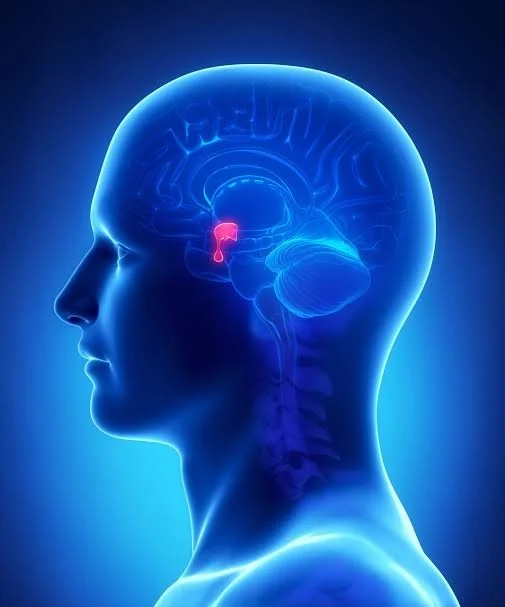
Most men who seek evaluation for low testosterone think of it as a testosterone problem. And in the most direct sense, it is — the testosterone level is low. But testosterone production does not begin in the testes. It begins with two pituitary hormones — luteinizing hormone (LH) and follicle stimulating hormone (FSH) — that act as the upstream signals telling the testes what to do. Measuring LH and FSH before starting any hormone therapy is not a technicality; it is a clinically essential piece of diagnostic information that shapes the entire approach to treatment.
Once exogenous testosterone is introduced, LH and FSH are suppressed to near zero — a normal and expected consequence of TRT. After that point, baseline information about what those values were before therapy is gone. This is why the conversation about LH and FSH needs to happen first.
What Are LH and FSH?
Luteinizing hormone (LH) is produced by the pituitary gland and travels to the testes, where it stimulates Leydig cells to produce testosterone. Follicle stimulating hormone (FSH) also comes from the pituitary and acts on Sertoli cells in the testes to support sperm production (spermatogenesis). Together, LH and FSH are called gonadotropins — the pituitary's primary messengers to the gonads.
The relationship between LH/FSH and testosterone is a negative feedback loop. As testosterone rises, the pituitary reduces LH and FSH output. As testosterone falls, LH and FSH rise to stimulate more production. This loop operates continuously in men who are not on exogenous hormone therapy.
Normal Reference Ranges
HormoneNormal Male RangeLH (Luteinizing Hormone)1.7–8.6 IU/LFSH (Follicle Stimulating Hormone)1.5–12.4 IU/LLH/FSH on exogenous TRTNear zero (expected suppression)
What Does It Mean for the Body?
The pattern of LH and FSH relative to testosterone tells the story of where in the hormone axis a problem originates.
Low testosterone with low LH/FSH (secondary hypogonadism) suggests the problem is at the pituitary or hypothalamic level — the gland is not sending the signal to make testosterone. This is the pattern seen in men with pituitary tumors, elevated prolactin (see Article 9), certain medications, or head injuries. It is also the pattern seen on exogenous TRT.
Low testosterone with high LH/FSH (primary hypogonadism) suggests the problem is at the testicular level — the signal is being sent, but the testes are not responding. This pattern may indicate genetic or structural testicular issues.
Normal testosterone with normal LH/FSH reflects an intact axis — the system is working as designed.
What Does It Mean on TRT or Hormone Therapy?
When a man begins testosterone replacement therapy, the exogenous testosterone signals the hypothalamic-pituitary axis to reduce its output. LH and FSH are suppressed — often to effectively undetectable levels. This suppression also means the testes receive less stimulation and typically reduce their own testosterone production and sperm output. Over time on TRT without additional intervention, testicular size may gradually decrease.
For men who want to preserve testicular size and function while on TRT, human chorionic gonadotropin (HCG) is sometimes added. HCG mimics LH signaling and maintains testicular stimulation despite pituitary suppression. For men interested in fertility preservation or who want to stimulate endogenous testosterone production without exogenous T, clomiphene citrate — which stimulates the pituitary to release more LH and FSH — is another option that providers consider on an individualized basis.
What Does It Mean for Weight Loss Patients?
Significant obesity can blunt LH pulsatility through multiple mechanisms. Baseline LH and FSH in the context of a comprehensive metabolic evaluation help clarify whether hypothalamic-pituitary signaling is intact as part of the broader hormonal picture.
Why We Check It — and How Often
TimingReasonBaseline (before any TRT)Establish diagnostic pattern; irreplaceable data pointBefore TRT in men planning familiesFertility counseling and baselineNot routinely on TRTSuppressed values provide no additional informationWhen investigating recovery or fertility post-TRTAssess axis recovery
What Can Affect This Lab Value?
Exogenous testosterone (TRT, anabolic steroids): Suppresses LH and FSH to near zero
Elevated prolactin: Suppresses GnRH, reducing LH and FSH (see Article 9)
Opioid medications: Opioids potently suppress LH pulsatility
Extreme stress: Cortisol elevation can suppress GnRH and therefore LH/FSH
Obesity: Can reduce LH pulsatility through adipokine and estrogen effects
Pituitary pathology: Tumors or structural issues affecting the pituitary gland
Clomiphene: Raises LH and FSH by blocking estrogen's negative feedback at the pituitary
Medical Disclaimer: The information in this article is for educational purposes only and is not intended as medical advice, diagnosis, or treatment. Lab reference ranges vary by laboratory, age, and individual health status. Always consult a licensed medical professional before making any changes to your health care regimen.
If you'd like to better understand what your lab results mean for your overall health, the team at Modern Men's Clinic in Powdersville, SC is here to help. We offer comprehensive hormone and metabolic lab panels as part of our TRT, medical weight loss, and hormone management programs — with personalized consultations led by John Garren, NP-C. Serving Greenville, Anderson, Easley, Pickens, and all of Upstate South Carolina, with telehealth available statewide. Call us at 864-689-3194 or visit modernmensclinics.com.
Modern Men's Clinic | Powdersville/Piedmont, SC | 864-689-3194 | modernmensclinics.com
Provider: John Garren, NP-C
